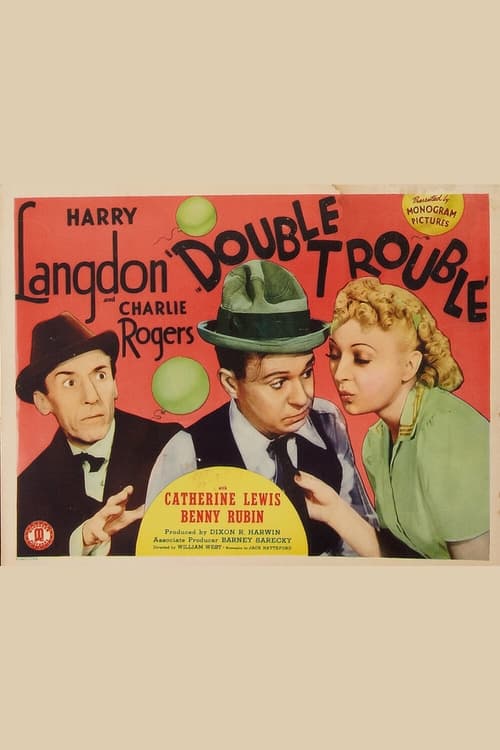
Double Trouble
1941
No user ratings available yet
Diversity score: 2.0 out of 10
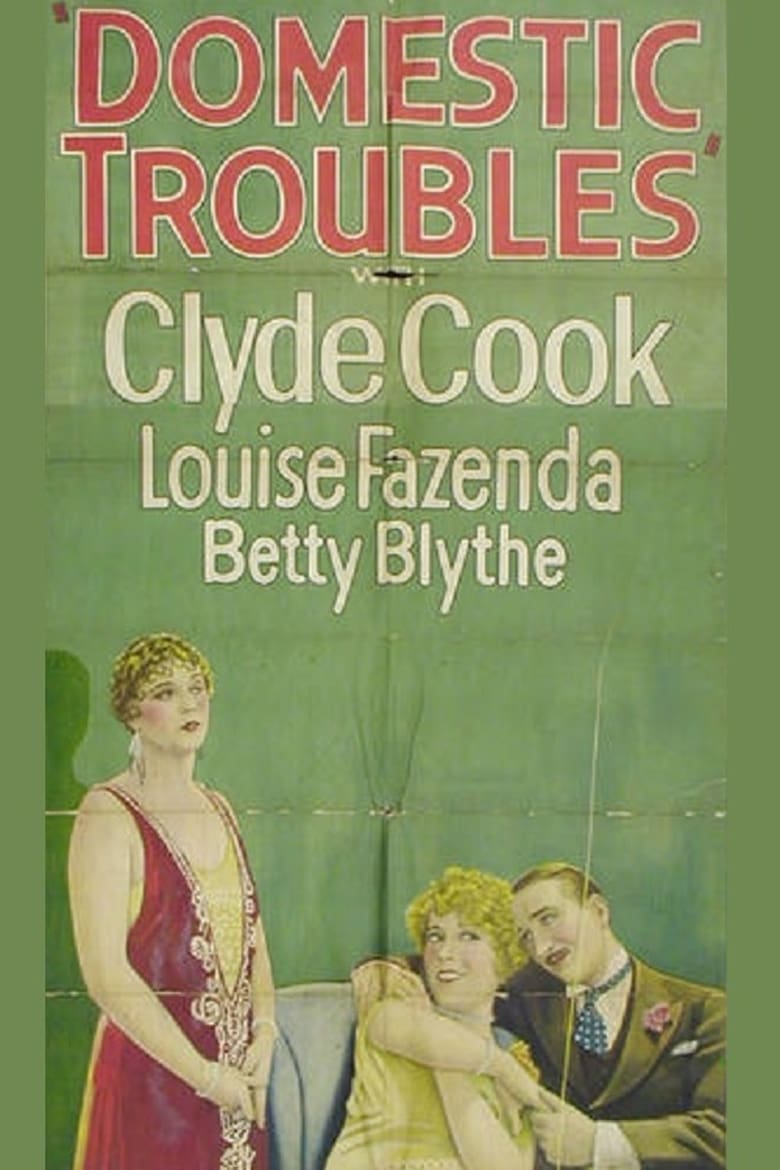
1928
PassedDirector
Ray Enright
Runtime
58 minutes
Average Rating
No ratings yetSynopsis
Twin brothers James and Horace Bullard have opposite personalities. James, a fun dandy, marries a club-woman. Horace, introvert and prudish, marries a butterfly. A lost film.
Overall Score
Limited
Category Breakdown
LGBTQ+ Representation
The film lacks any evidence of non-cisnormative identities or same-sex narratives. It operates strictly within a heteronormative framework centered on binary marriage dynamics.
Gender Representation
Characterization relies on silent-era archetypes, such as the 'club-woman' and the 'butterfly.' The plot reinforces traditional domestic hierarchies rather than subverting them.
Racial & Ethnic Diversity
There is no evidence of intersectional casting or non-white performers. The narrative focuses on Western, middle-class social norms typical of the era.
Religious & Cultural Diversity
The story emphasizes traditional Western social structures and the nuclear family unit. It operates within the conventional moral boundaries of the early 20th century.
Disability Representation
No characters with visible or invisible disabilities are documented. There is no evidence of such characters being portrayed with agency in the surviving synopsis.
Strengths
Areas for Improvement
AI Analysis
Domestic Troubles is a product of its era, adhering to the demographic homogeneity and social hierarchies of 1920s studio comedies. The narrative centers on the comedic friction between twin brothers and their wives, utilizing established gendered tropes to drive the plot. The film lacks intentionality regarding the disruption of conventional expectations. It focuses on the stability and comedic instability of the nuclear family, reinforcing rather than challenging the social norms of the period. Because the film is a lost production, specific casting details are unavailable, but the surviving synopsis suggests a traditional, Western-centric approach to storytelling.
1941
1935
1947
1934

1940
1908
1935
1926
1952
1933
1928
1927
No reviews yet. Be the first to share your thoughts on this movie!
Use the rating form above to leave a star rating and optional review.