
Because of You
1952
No user ratings available yet
Representation score: 0.4 out of 10
Representation Score
Limited
1953
Director
Carlos Hugo Christensen
Runtime
104 minutes
Average Rating
No ratings yetNew Showbiz Analysis
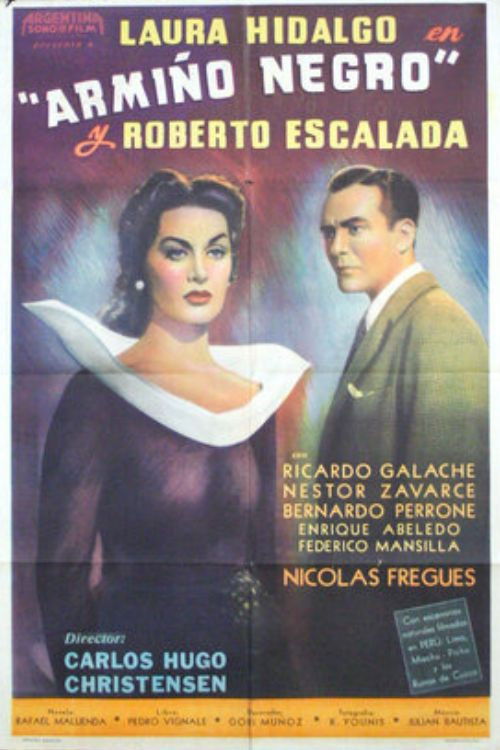
Black Ermine is a mid-century melodrama that emphasizes the tension between personal history and social reputation. While it offers a character study of a woman trying to redefine herself, the narrative structure adheres to the era's strict moral expectations. The film's focus on the 'fallen woman' archetype suggests a reinforcement of social hierarchies rather than a challenge to them. The central conflict is driven by the threat of social stigma disrupting a traditional domestic identity. Ultimately, the work functions as a conventional social drama. It explores the tension between individual desires and societal norms without providing significant representation for underrepresented identities.
Category Breakdown
The film does not include any characters with non-straight or non-cisgender identities. The story focuses solely on maternal and familial relationships.
A female character drives the story, but her role is limited by societal expectations. The film uses the 'fallen woman' stereotype, which often reinforces traditional gender roles.
The film reflects the demographic uniformity typical of 1950s Argentine cinema. There is no indication of diverse racial or ethnic casting.
The plot centers on maintaining a traditional family unit and upholding conventional morality. It operates within established social frameworks without challenging them.
There is no evidence of characters with physical or neurodivergent disabilities in the narrative.
Present on Screen
Limited or Absent
Official Synopsis
A woman with a doubtful past tries to hide it from her teenage son and attempts to change, but she cannot.
1952

1953
1943
1952

1948
1946
1942

1935
No reviews yet. Be the first to share your thoughts on this movie!
Use the rating form above to leave a star rating and optional review.