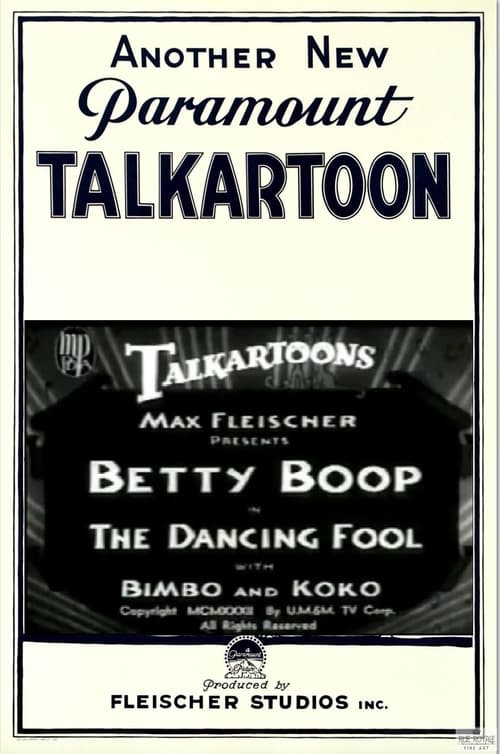
The Dancing Fool
1932
No user ratings available yet
Representation score: 3.2 out of 10
Representation Score
Minimal
1938
Director
Dave Fleischer
Runtime
6 minutes
Average Rating
No ratings yetNew Showbiz Analysis
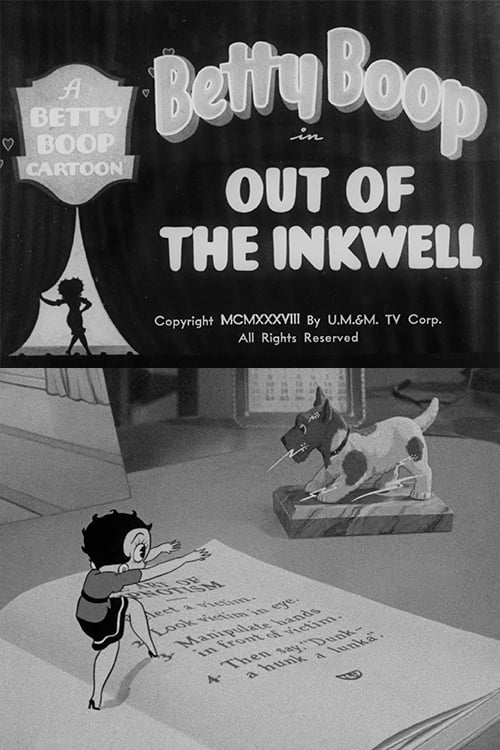
Out of the Inkwell is a meta-fictional experiment that prioritizes technical whimsy over social depth. While the hybrid live-action and animation style is innovative, the narrative remains firmly rooted in the homogeneous social structures of the late 1930s. The film lacks complexity in representing diverse identities, offering little in the way of characters who reflect more than one aspect of diversity or subverted hierarchies. It serves as a historical snapshot of a period where animation focused on the magic of the medium rather than progressive representation.
Category Breakdown
The film does not include any LGBTQ+ characters or themes. The narrative focuses solely on the interaction between the animator and his ink drawings.
Betty Boop serves as a central figure, but the film relies on conventional era-specific archetypes. It functions more as a technical demonstration than a study of women's roles or empowerment.
The production reflects the demographic homogeneity of late 1930s animation. There is no evidence of racial diversity or non-white casting within the studio setting.
The story operates within a traditional Western entertainment framework. It centers on the wonder of artistic creation rather than engaging with complex cultural or institutional themes.
There are no depictions of physical, sensory, or neurodivergent identities. Characters are presented as standard animated archetypes without visible or invisible disabilities.
Present on Screen
Limited or Absent
Official Synopsis
In a tribute to the Fleischer brothers shorts of the '20s, a janitor hypnotizes Max Fleischer's pen to draw Betty Boop.
1932
1933

1934
1933
1933
1932
1931
1933
No reviews yet. Be the first to share your thoughts on this movie!
Use the rating form above to leave a star rating and optional review.