Brooklyn, Fulton Street
1896
No user ratings available yet
Representation score: 1.1 out of 10
Representation Score
Minimal
1902
Director
Robert K. Bonine
Runtime
1 minutes
Average Rating
No ratings yetNew Showbiz Analysis
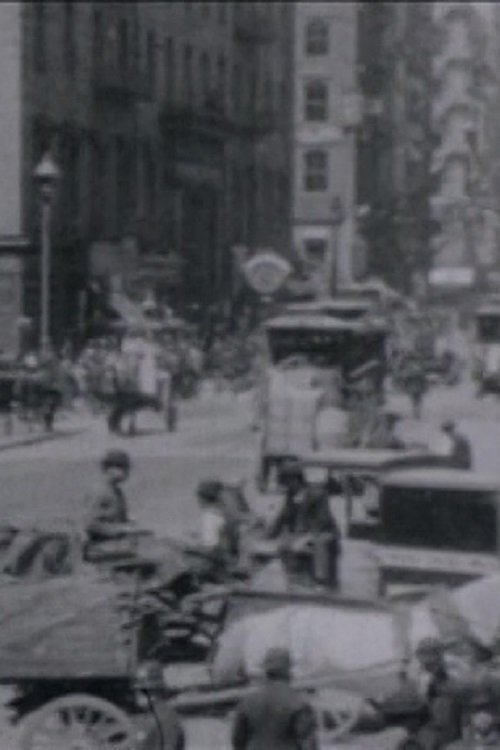
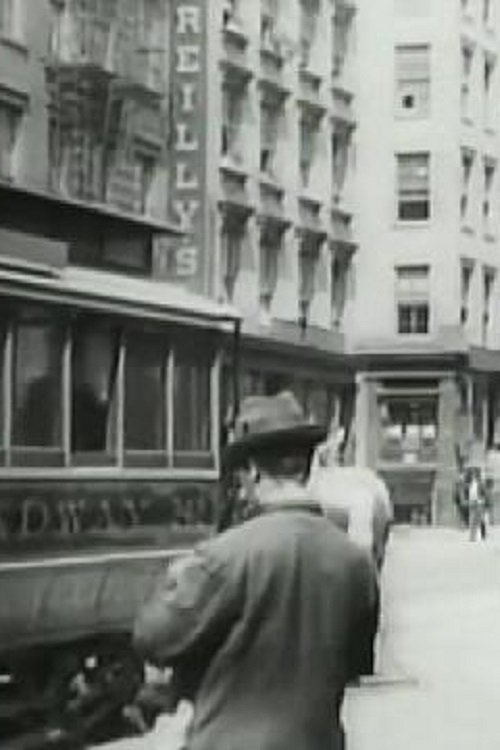
This early documentary-style film serves as a historical record rather than a narrative film. It passively mirrors the social hierarchies of 1902, showing urban life without intentional social commentary. While the film captures the varied demographics of a major city street, it lacks the structure to give individual characters depth or ability to act. The subjects are part of a moving crowd, not defined characters. Ultimately, the low diversity score reflects the film's purpose as a literal documentation of a busy street scene, rather than exploring progressive themes or social subversion.
Category Breakdown
The film does not include any LGBTQ+ characters or stories. It shows a street scene from 1902, reflecting the social norms of that time.
Women can be seen in the crowd, but the film upholds traditional gender roles. There are no challenging depictions of masculinity or gender hierarchies.
The footage captures a diverse urban population typical of New York City in 1902. However, these identities are not explored deeply and exist only as part of a crowd.
The film preserves a Western urban environment and early 20th-century capitalism. It does not address themes of secularism or critiques of Western institutions.
There are no representations of physical or neurodivergent disabilities. The focus is on the flow of pedestrians and vehicles.
Present on Screen
Limited or Absent
Official Synopsis
A busy street scene on Lower Broadway,
1896

1927
1896
1896
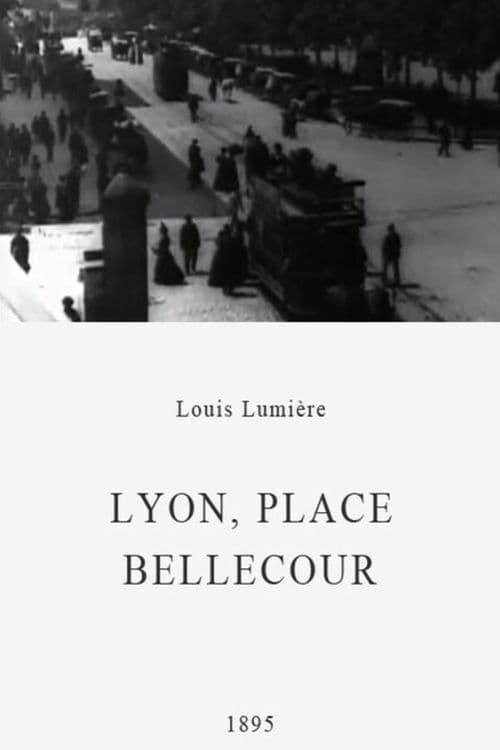
1895
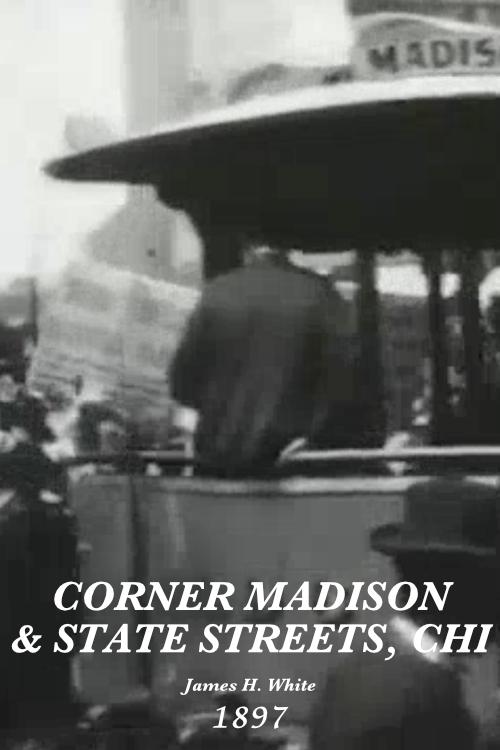
1897
1896

1896
No reviews yet. Be the first to share your thoughts on this movie!
Use the rating form above to leave a star rating and optional review.