Le goûter des bébés
1897
No user ratings available yet
Representation score: 2.5 out of 10
No Poster Available
Representation Score
Minimal
1898
Director
Auguste Lumière, Louis Lumière
Runtime
1 minutes
Average Rating
No ratings yetNew Showbiz Analysis
This film serves as a historical document, capturing a moment of leisure in late 19th-century Europe. Its primary function is to provide a realistic portrayal of everyday life rather than serve as a vehicle for social commentary. The representation reflects the social norms and demographic homogeneity of the time. The film's structure is focused on capturing real-life moments, limiting its ability to tell complex, multi-layered stories. Ultimately, it reinforces established social roles and demographic uniformity without disrupting conventional expectations or systemic hierarchies.
Category Breakdown
The film does not include any representation of LGBTQ+ identities or same-sex relationships. It focuses on heterosexual relationships without exploring or questioning heteronormativity.
Women are shown enjoying outdoor leisure activities, breaking away from traditional domestic roles. However, the characters follow the social norms of the late 19th century without challenging gender hierarchies.
The cast appears to be made up of European individuals, reflecting the demographics of the time without intentional racial diversity.
The film captures a traditional Western picnic, reinforcing standard social rituals. It does not address themes of secularism or critiques of Western institutions.
There is no representation of visible or invisible disabilities. Characters are not used as plot devices or subjected to mockery.
Present on Screen
Limited or Absent
Official Synopsis
A group of young women and children enjoy a rowdy picnic in the countryside.
1897

1927
1896
1896
1898
1896
1897
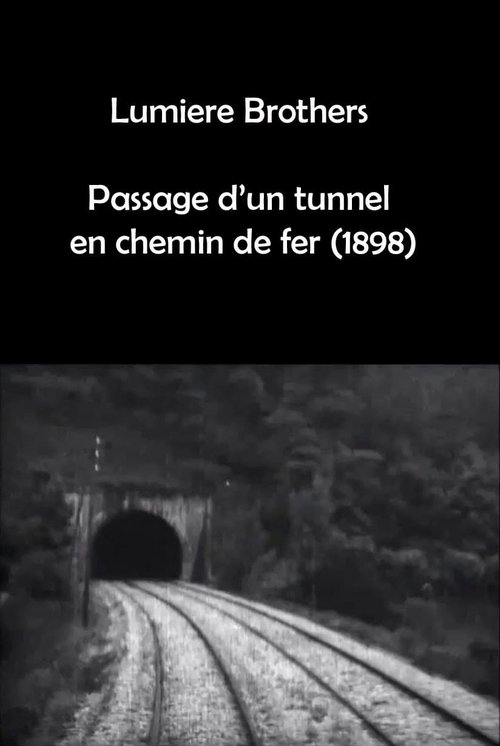
1898
No reviews yet. Be the first to share your thoughts on this movie!
Use the rating form above to leave a star rating and optional review.