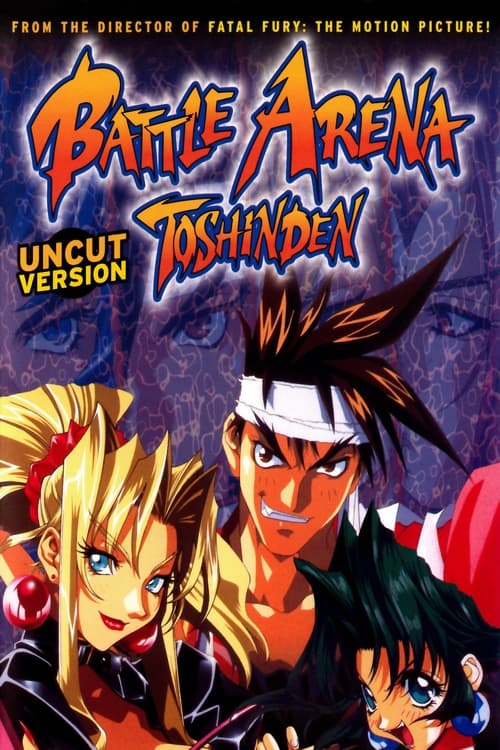
Battle Arena Toshinden
1996
No user ratings available yet
Representation score: 4.7 out of 10
Representation Score
Limited
1994
Not RatedDirector
Hiroshi Ishiodori
Runtime
80 minutes
Average Rating
No ratings yetNew Showbiz Analysis
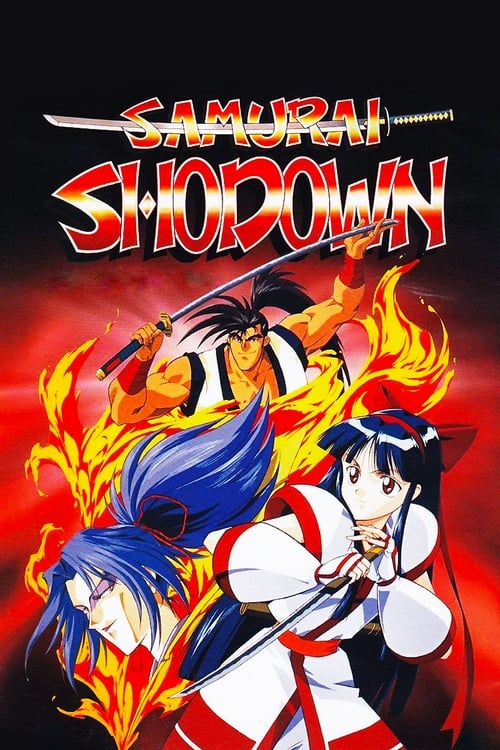
Samurai Shodown: The Motion Picture is a genre-driven action narrative that emphasizes martial conflict and moral clarity. It adheres to conventional heroic clichés rather than engaging with contemporary identity politics or systemic critique. The film successfully maintains a strong, culturally specific aesthetic rooted in its Japanese setting. It includes active female combatants who play crucial roles in the plot. However, the film lacks depth in characters who reflect more than one aspect of diversity. It does not address LGBTQ+ identities, disability, or the deconstruction of traditional social and religious hierarchies.
Category Breakdown
The film does not include any LGBTQ+ characters or stories about non-assuming gender matches what was assigned at birth identities. It focuses on traditional martial conflicts set in a historical fantasy world.
Female warriors like Nakoruru and Charlotte play key roles in combat. While they avoid purely submissive roles, they do not fully challenge established gender hierarchies.
Set in feudal Edo-period Japan, the cast is mainly Japanese. This natural cultural specificity avoids Western-centric casting but does not blend with broader multi-layered diversity.
The story follows a traditional good versus evil structure. Themes of divine light and holy blades reinforce singular spiritual archetypes without critiquing religious institutions.
There are no characters with visible or invisible disabilities. No such figures appear as key drivers of the plot or as plot devices.
Present on Screen
Limited or Absent
Official Synopsis
One hundred years after their deaths, six legendary holy warriors are reborn to seek justice against the former comrade who betrayed them into the hands of an evil god! The six warriors search the feudal province of Edo questing for the last Saint Soldier, Haohmaru, and their sworn nemesis Shirou Amakusa. Will the followers of the divine light triumph over the forces of darkness, or is history destined to repeat itself? Before their hundred-year journey has ended, six samurai will prove that the only thing stronger than their holy blades is the steel of their wills!
1996
1997
1992
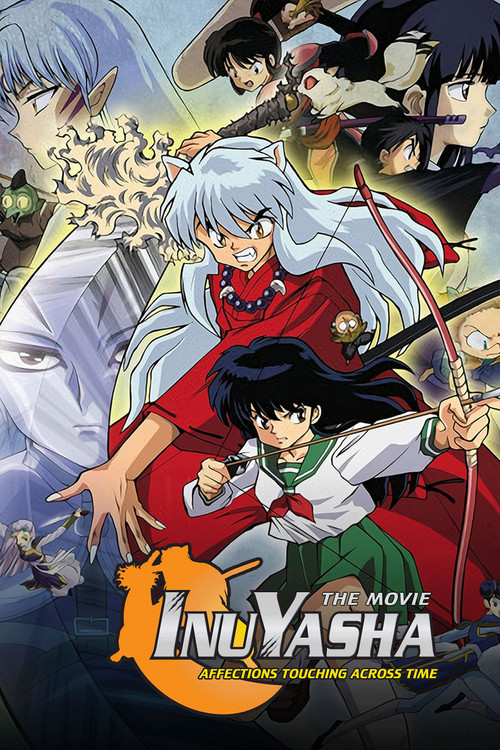
2001
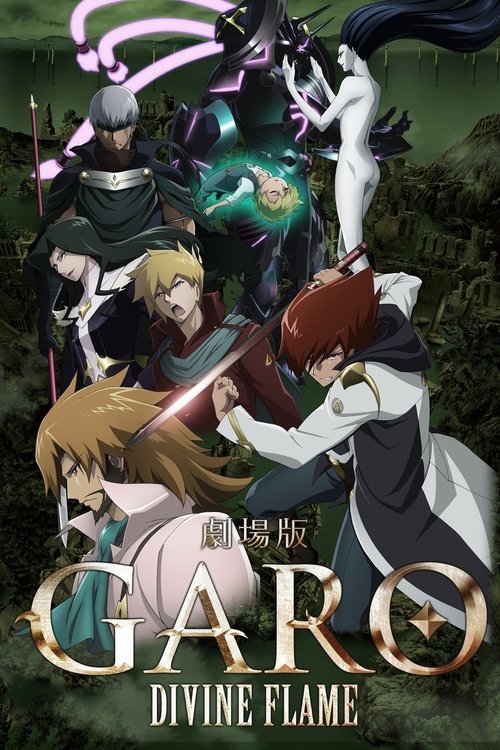
2016
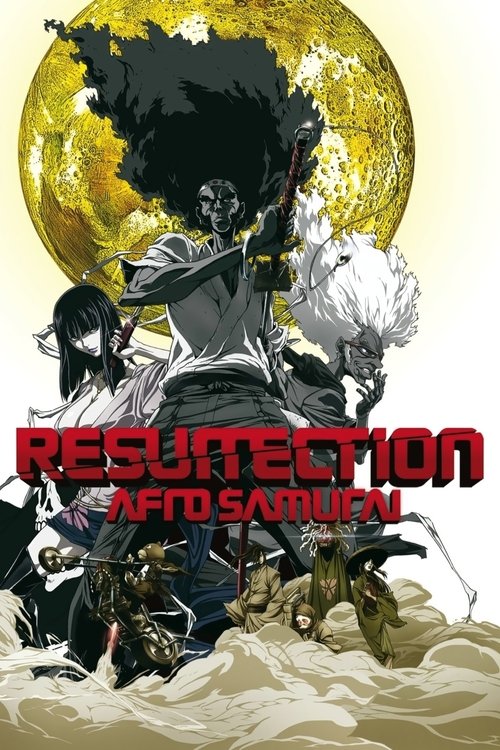
2009
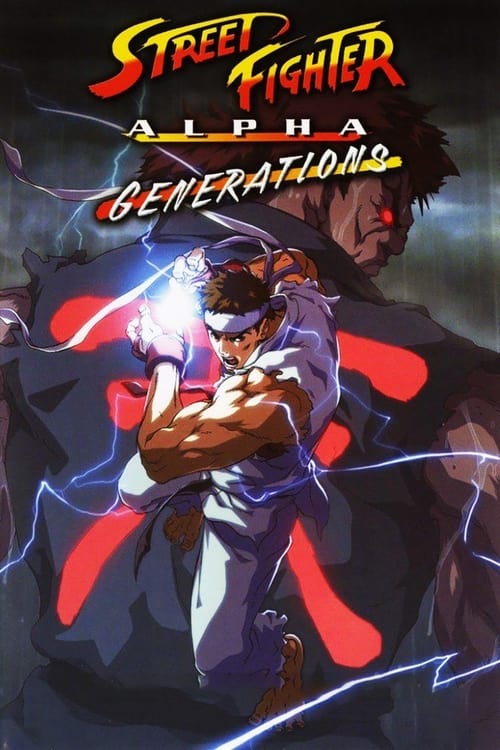
2005
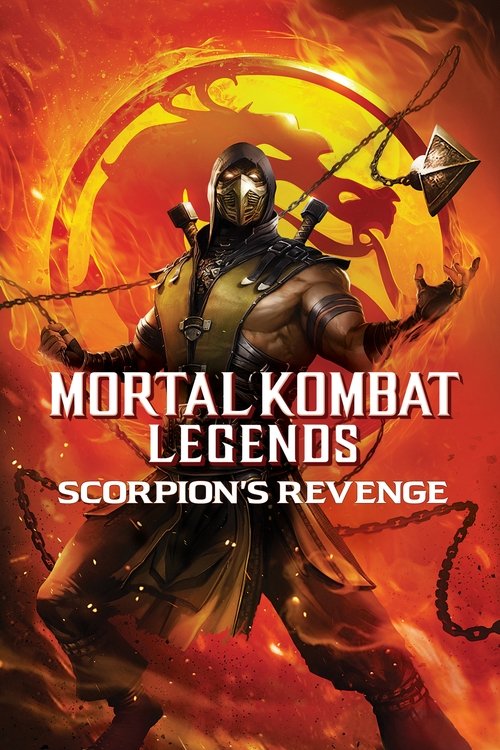
2020
No reviews yet. Be the first to share your thoughts on this movie!
Use the rating form above to leave a star rating and optional review.