
Long Arm of the Law
1909
No user ratings available yet
Representation score: 1.1 out of 10
Representation Score
Minimal
1913
NRDirector
George Nichols
Runtime
12 minutes
Average Rating
No ratings yetNew Showbiz Analysis
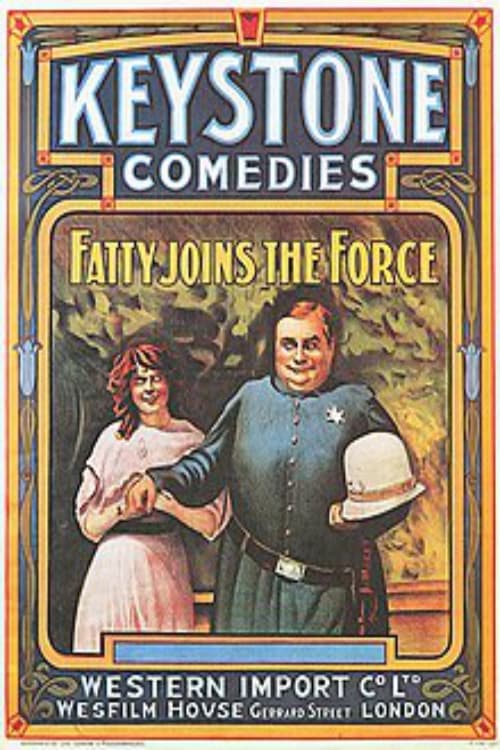
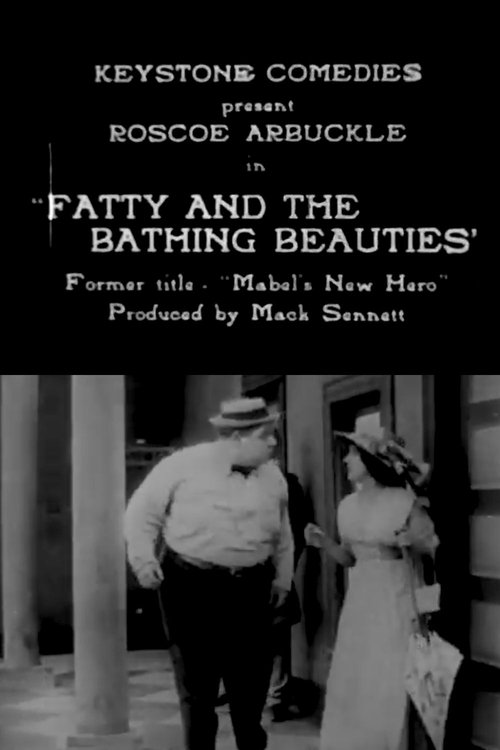
Fatty Joins the Force is a product of the early 20th-century slapstick tradition, prioritizing physical comedy over social complexity. The narrative structure relies on established gender roles, where heroism is a male-driven pursuit and women serve as the motivation for action. While the film provides a comedic subversion of professional authority and institutional prestige, it does so within a very narrow social framework. The lack of racial or LGBTQ+ representation is consistent with the era's cinematic standards. Ultimately, the film functions as a period piece that celebrates individual heroism and social mobility through comedy, rather than challenging the status quo of its time.
Category Breakdown
The film does not include any characters with non-straight identities. It follows typical silent-era conventions, focusing on a male hero and a female figure.
The story reinforces traditional gender roles by casting the male protagonist as the active hero. The female character remains a passive recipient of his actions.
The film reflects the homogeneous casting norms of 1913, featuring only white, Anglo-Saxon actors without any indication of diverse casting.
The story engages with Western law enforcement through slapstick humor. It offers a mild critique of institutional prestige but does not provide a deeper social commentary.
There is no evidence of characters with disabilities. No such identities are used as plot devices or subjects of ridicule.
Present on Screen
Limited or Absent
Official Synopsis
Fatty rescues the daughter of the police commisioner and is given a job as an officer as a reward, but its not all its cracked up to be!
1909

1923
1914
1929
1914
1913
1918
1916
No reviews yet. Be the first to share your thoughts on this movie!
Use the rating form above to leave a star rating and optional review.