"Weary Willlie" Kisses the Bride
1904
No user ratings available yet
Representation score: 0.4 out of 10
Representation Score
Minimal
1917
Director
Arvid E. Gillstrom
Runtime
20 minutes
Average Rating
No ratings yetNew Showbiz Analysis
The Hobo is a quintessential product of the 1917 silent comedy era, prioritizing physical slapstick over social complexity. The narrative structure relies on established archetypes, such as the disruptive outsider and the stable romantic lead, which reinforce the demographic status quo of the period. Because the film functions as a standard short comedy, it lacks the intentionality required to challenge traditional expectations. The characters exist to facilitate chaos and romantic clichés rather than to provide diverse representation.
Category Breakdown
The film focuses on a traditional romantic relationship between Dolly and Harold. There are no depictions of same-sex relationships or non-binary gender identities.
Dolly serves primarily as a plot catalyst and an object of attention for the male characters. The film relies on traditional gender roles common to the silent era.
The cast appears to be a homogeneous white group. There is no evidence of racial diversity or non-white protagonists in the narrative.
The story centers on individual mischief and slapstick disruption of social institutions. It does not offer a critique of systemic values or religious tensions.
There is no evidence of characters with physical, sensory, or neurodivergent disabilities being portrayed with a significant role or as central plot elements.
Present on Screen
Limited or Absent
Official Synopsis
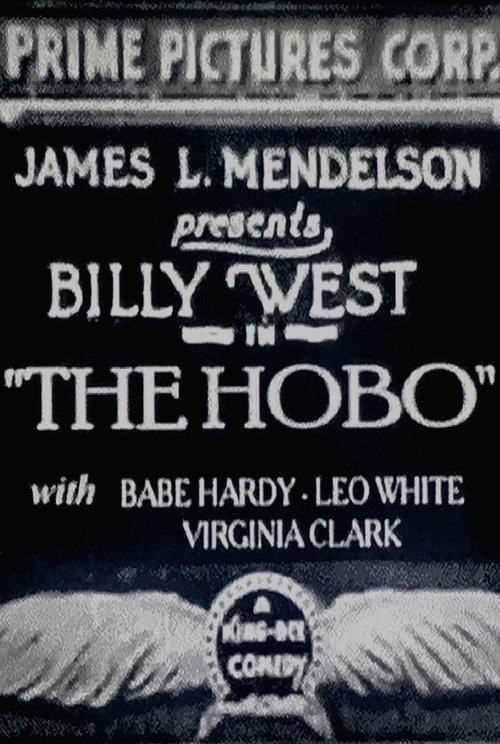
Billy is a hobo who hangs around the train station. He creates disruption in the ticket office, at the lunch counter, and in the lives of some of the customers.
1904
1928
1941

1923
1919
1916

1922
1922
No reviews yet. Be the first to share your thoughts on this movie!
Use the rating form above to leave a star rating and optional review.