
The Last Frontier
2020
No user ratings available yet
Representation score: 0.6 out of 10
Representation Score
Limited
2005
RDirector
Fyodor Bondarchuk
Runtime
139 minutes
Average Rating
No ratings yetNew Showbiz Analysis
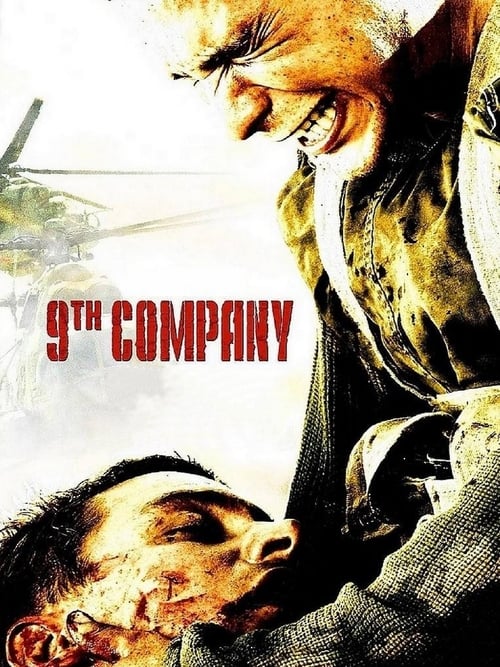
9th Company is a gritty war tragedy that dismantles the romanticized 'heroic soldier' archetype. It highlights the multi-ethnic composition of the Soviet military, offering a nuanced view of how imperial conflicts impact diverse groups. However, the film is deeply rooted in traditional masculine hierarchies. The hyper-masculine environment leads to a near-total absence of female influence and no LGBTQ+ representation. While the film critiques the state's involvement and the costs of war, it lacks depth in addressing the multi-layered impacts of these issues. It primarily focuses on physical and psychological trauma rather than broader social commentary.
Category Breakdown
The film does not include any LGBTQ+ characters or non-cisgender identities within the military unit.
The narrative focuses almost entirely on male camaraderie and traditional masculine roles. Female characters have little to no influence or control over the story due to the military setting.
The film showcases the multi-ethnic reality of the Soviet Union by featuring various ethnicities, challenging the notion of a homogeneous Russian identity during the conflict.
The story portrays the war as a chaotic and futile endeavor, focusing on existential struggles rather than religious or spiritual guidance.
Disability is shown through combat trauma and physical injuries, serving as evidence of war's brutality rather than independent character studies.
Present on Screen
Limited or Absent
Official Synopsis
Russian army recruits complete training and take their posting in late 1980s Afghanistan, where the insurgents are slowly gaining the upper hand.
2020
1959
2020
1961
2025
1988
2019
1993
No reviews yet. Be the first to share your thoughts on this movie!
Use the rating form above to leave a star rating and optional review.