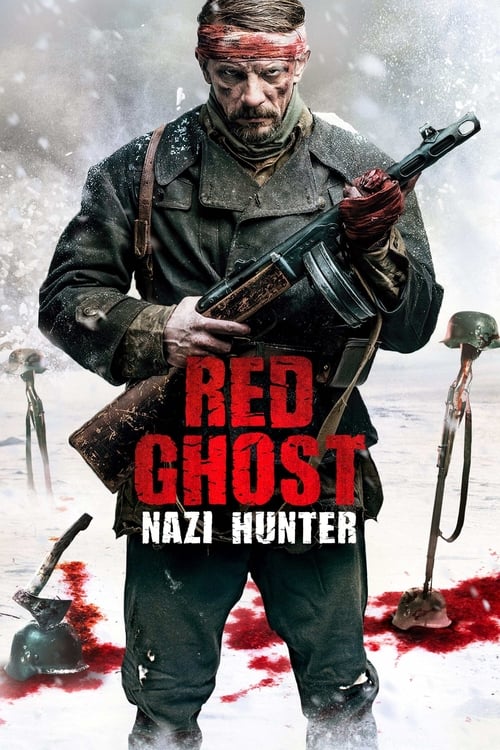
Red Ghost
2021
No user ratings available yet
Representation score: 1.1 out of 10

Representation Score
Minimal
2020
Director
Vadim Shmelyov
Runtime
130 minutes
Average Rating
No ratings yetNew Showbiz Analysis
The Last Frontier is a traditional historical war drama centered on the heroic stand of the Podolsk cadets in 1941. The film’s structure is based on classic themes of patriotism, collective sacrifice, and martial duty, reflecting the historical context of the Soviet military. Since the narrative focuses on a specific national struggle and masculine combat roles, it reinforces mid-20th-century social norms. It does not engage with contemporary progressive frameworks or attempt to challenge traditional gender and national identities. Ultimately, the film serves as a celebration of state and military institutions. It prioritizes the survival of the nation over individualist or anti-establishment themes, resulting in a narrow representational scope.
Category Breakdown
The film does not include any LGBTQ+ characters or stories. It stays true to the historical setting of a 1941 Soviet military environment, emphasizing military duty.
The story focuses on male cadets and highlights their sacrifices. It reinforces traditional gender roles by highlighting men in combat and leadership positions.
The narrative centers on the defense of Moscow during a specific historical event. It portrays a particular ethnic group without disrupting racial uniformity.
The film emphasizes patriotism and the importance of the motherland. It celebrates traditional institutions such as the military and the state without criticizing them.
There are no characters with visible or invisible disabilities in the film. Disability is not used as a narrative element in this historical drama.
Present on Screen
Limited or Absent
Official Synopsis
The story of the Podolsk cadets’ heroic stand outside Moscow in October 1941. Cadets were sent to the Ilyinsky line, fighting alongside units from the Soviet 43rd Army to hold back the German advance until reinforcements arrived. Hopelessly outnumbered, young men laid down their lives in a battle lasting almost two weeks to obstruct the far superior German forces advancing towards Moscow. Around 3,500 cadets and their commanding officers were sent to hold up the last line of defense outside Moscow. Most of them remained there for eternity.
2021
2010
1974
1966
2019

2020
2020
2018
No reviews yet. Be the first to share your thoughts on this movie!
Use the rating form above to leave a star rating and optional review.