
The Temptress
1926
No user ratings available yet
Representation score: 1.6 out of 10
Representation Score
Fair
1975
RDirector
Giuseppe Patroni Griffi
Runtime
110 minutes
Average Rating
No ratings yetNew Showbiz Analysis
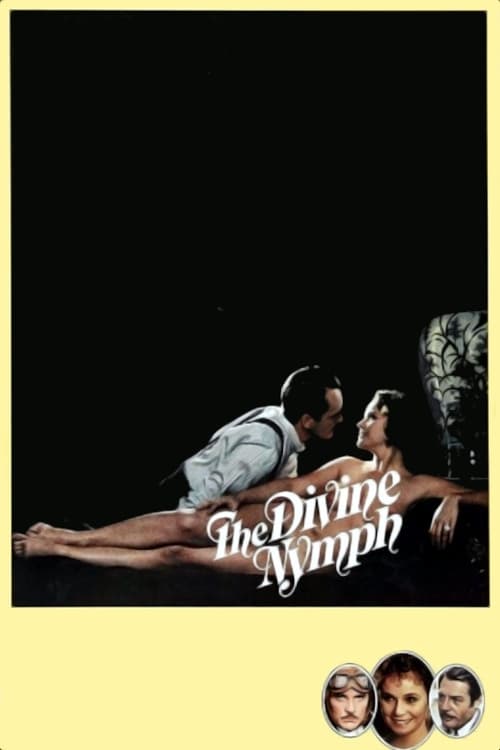
The Divine Nymph is a character study that prioritizes the subversion of gendered power dynamics and traditional moral frameworks. It succeeds in deconstructing social artifice through its central female figure, who acts as a primary driver of the narrative rather than a submissive archetype. However, the film remains limited by its historical setting and narrow social focus. The lack of racial and ethnic diversity, as well as explicit LGBTQ+ representation, prevents a more inclusive depiction of the era's complexities. Ultimately, the film offers a sophisticated look at social transgression and subjective ethics, even if it stays within a relatively homogeneous social sphere.
Category Breakdown
The film explores non-traditional romantic structures and challenges monogamy. However, it lacks explicit queer identifiers or specific non-assuming gender matches what was assigned at birth character arcs.
The protagonist disrupts conventional female passivity by driving the plot through her own choices. She exerts intellectual dominance over her male counterparts, challenging traditional gender hierarchies.
Set in the Roaring Twenties, the film focuses on the European upper class. It lacks visible diversity or a non-Anglo-Saxon majority cast.
The narrative critiques rigid Western institutions by centering on a decadent lifestyle. It explores moral relativism and characters who operate outside of traditional Christian morality.
There is no discernible evidence regarding the portrayal of physical or neurodivergent disabilities in this work.
Present on Screen
Limited or Absent
Official Synopsis
In the decadent Roaring Twenties, a beautiful woman engages in affairs with two men, playing them against each other.
1926

1972

1974
1954
1972
1952

1982

1990
No reviews yet. Be the first to share your thoughts on this movie!
Use the rating form above to leave a star rating and optional review.