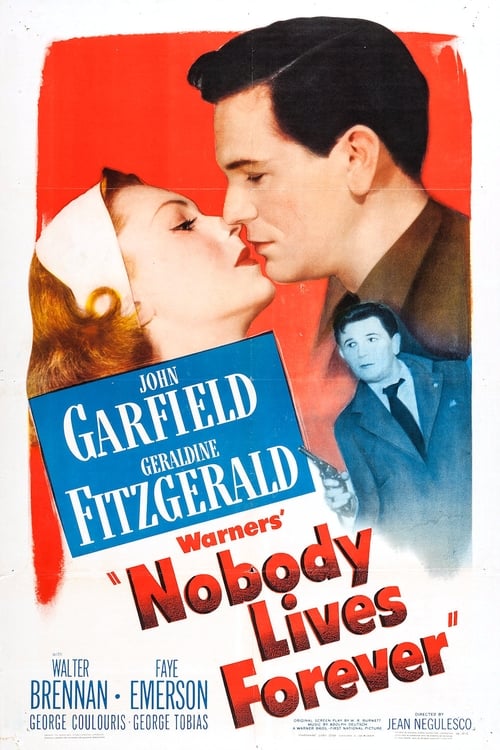
Nobody Lives Forever
1946
No user ratings available yet
Diversity score: 1.8 out of 10

1947
PassedDirector
John Reinhardt
Runtime
76 minutes
Average Rating
No ratings yetSynopsis
A convict is forced to participate in a prison break even though he only has a year left on his sentence.
Overall Score
Limited
Category Breakdown
LGBTQ+ Representation
The film lacks any evidence of non-cisnormative identities or same-sex intimacy. It adheres to the heteronormative romantic tropes and censorship standards typical of 1947 crime dramas.
Gender Representation
The narrative likely reinforces conventional mid-century gender roles. It focuses on traditional masculine leadership and physical dominance common to the prison break genre.
Racial & Ethnic Diversity
There is no indication of a diverse or non-Anglo-Saxon cast. The production appears to follow the homogeneous casting patterns of the 1947 studio system.
Religious & Cultural Diversity
The story operates within traditional moral frameworks centered on legal consequence. It reinforces the necessity of the justice system rather than critiquing Western institutions.
Disability Representation
Characters with disabilities lack documented agency. Physical impairments are not explored through a lens of neurodivergence and are likely omitted or used as secondary plot devices.
Strengths
Areas for Improvement
AI Analysis
For You I Die is a product of the late 1940s studio system, reflecting the era's standard social and moral constraints. The film's structure aligns with established mid-century hierarchies, offering very little representation of marginalized identities. The narrative focuses on a convict's struggle within a prison break scenario, a genre that historically prioritizes masculine dominance and traditional justice. This focus limits the scope for diverse perspectives or systemic subversion. Ultimately, the film serves as a snapshot of a traditionalist cinematic landscape. It adheres to the era's conventional casting and storytelling norms rather than challenging them.
1946
1939
1945

1949

1948

1939

1946

1974
1933
1943
1944

1954
No reviews yet. Be the first to share your thoughts on this movie!
Use the rating form above to leave a star rating and optional review.