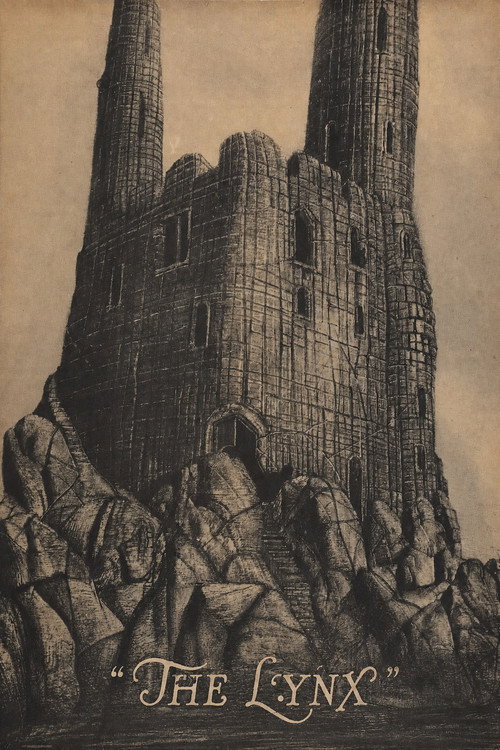
The Lynx
1982
No user ratings available yet
Representation score: 3.3 out of 10

Representation Score
Minimal
1964
Director
Stanisław Różewicz
Runtime
88 minutes
Average Rating
No ratings yetNew Showbiz Analysis
Echo is a character-driven period piece that focuses on the psychological impact of historical events. It operates within the social norms of 1960s Poland, emphasizing the importance of traditional family structures and societal stability. The film does not challenge or deviate from the established social order of its time. Given its focus on a homogeneous community and traditional family dynamics, the film lacks diverse representations of identity. Instead, it reflects the demographic and social realities of its era without engaging with underrepresented communities or non-traditional social hierarchies.
Category Breakdown
The film does not include any recognizable LGBTQ+ characters or individuals with non-conforming gender identities. The societal structure portrayed is centered around traditional family units.
Female characters play supporting roles within a patriarchal system, adhering to traditional gender roles of the mid-20th century. Their focus is on maintaining domestic stability and supporting the male lead.
The cast is entirely made up of Polish actors, reflecting the historical context of the film. It portrays a rural community that is ethnically uniform, without any non-white characters.
The storyline is deeply rooted in the cultural and religious traditions of rural Poland. It operates within the established social and religious norms of the time, rather than promoting secular views.
There is no depiction of physical, sensory, or neurodivergent disabilities among the main or supporting characters.
Present on Screen
Limited or Absent
Official Synopsis
It seems that nothing can ruin Henryk’s (Wieńczysław Gliński) happy life. He’s a respected lawyer with a loving son and wife. One day, he receives a letter from the prosecutor’s office. He’s accused of collaborating with the Gestapo. It’s an echo of his past under occupation.
1982

1965
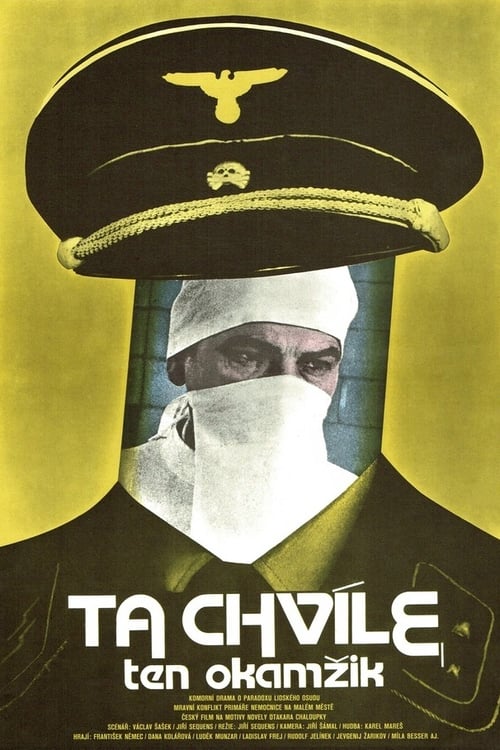
1981

1989
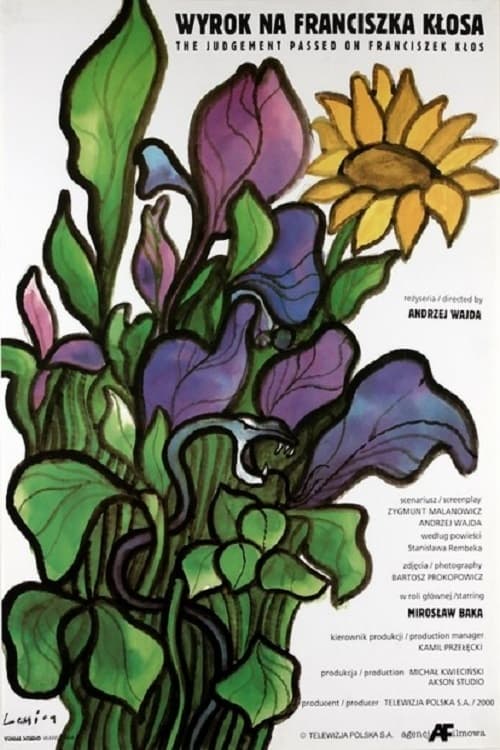
2000
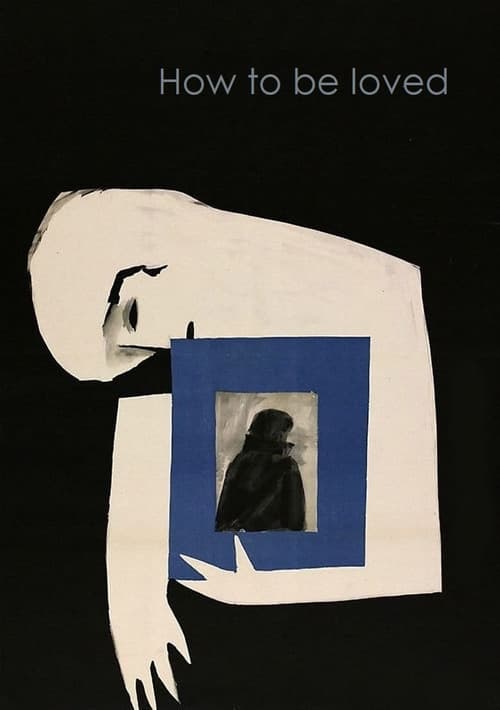
1963

1963
2012
No reviews yet. Be the first to share your thoughts on this movie!
Use the rating form above to leave a star rating and optional review.