
A Woman in Berlin
2008
No user ratings available yet
Representation score: 6.0 out of 10
Representation Score
Limited
2012
Not RatedDirector
Sergei Loznitsa
Runtime
127 minutes
Average Rating
No ratings yetNew Showbiz Analysis
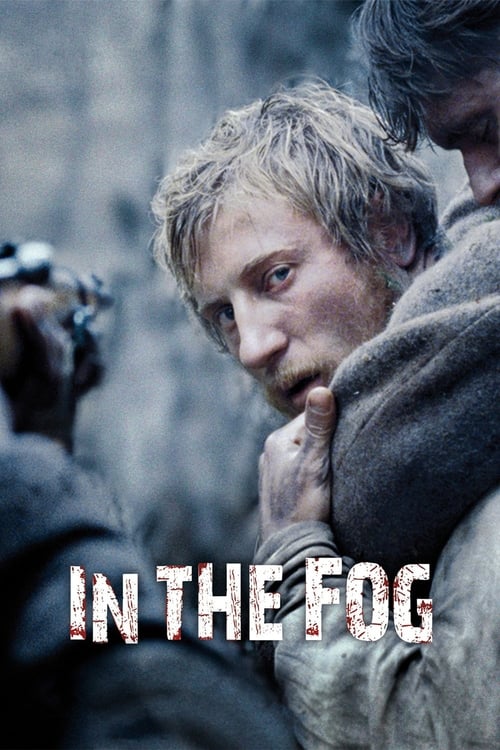
Sergei Loznitsa’s *In the Fog* is a stark exploration of historical realism that prioritizes existential inquiry over demographic diversity. The film captures the grim atmosphere of the 1942 Soviet frontiers, focusing on the erosion of individual influence under German occupation. While the film lacks diverse representation, it excels in its thematic deconstruction of social structures. It avoids conventional heroism, presenting a landscape where traditional morality and communal bonds have dissolved under the pressure of survival. Ultimately, the film's narrow demographic scope is a result of its commitment to a specific historical moment, which limits the diversity in gender, race, and sexual identity.
Category Breakdown
The film focuses on a rural, wartime setting with a homogenous population. There are no representations of LGBTQ+ identities or same-sex relationships.
The environment is dominated by men, reflecting the patriarchal structures of wartime. Women are portrayed primarily in domestic roles or as secondary figures to the male characters.
The casting is focused on ethnic Russians to maintain historical accuracy. This results in a lack of diverse racial or ethnic backgrounds.
The narrative avoids singular religious or patriotic ideals, instead critiquing the decay of traditional communal bonds and institutions.
Physical suffering is shown as a universal consequence of war and environmental conditions. There is no specific focus on neurodivergence or visible disabilities as identity markers.
Present on Screen
Limited or Absent
Official Synopsis
Western frontiers of the USSR, 1942. The region is under German occupation. A man is wrongly accused of collaboration. Desperate to save his dignity, he faces an impossible moral choice.
2008

1965
2020
1977

2023

2001

2016
2019
No reviews yet. Be the first to share your thoughts on this movie!
Use the rating form above to leave a star rating and optional review.