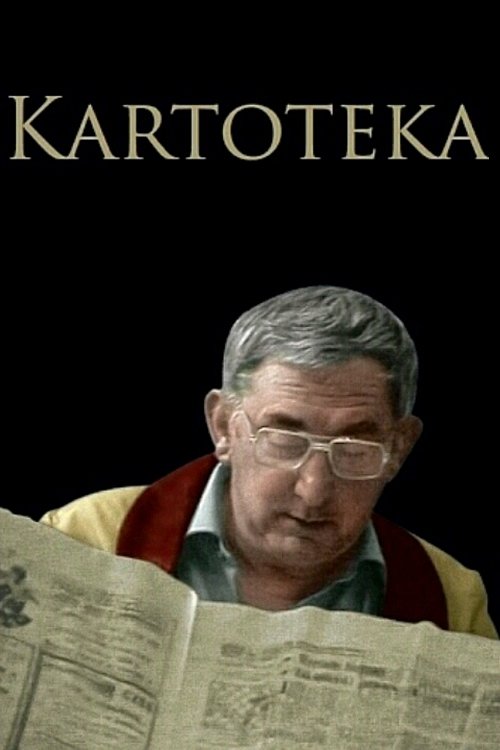
The Card Index
1979
No user ratings available yet
Representation score: 5.7 out of 10
Representation Score
Minimal
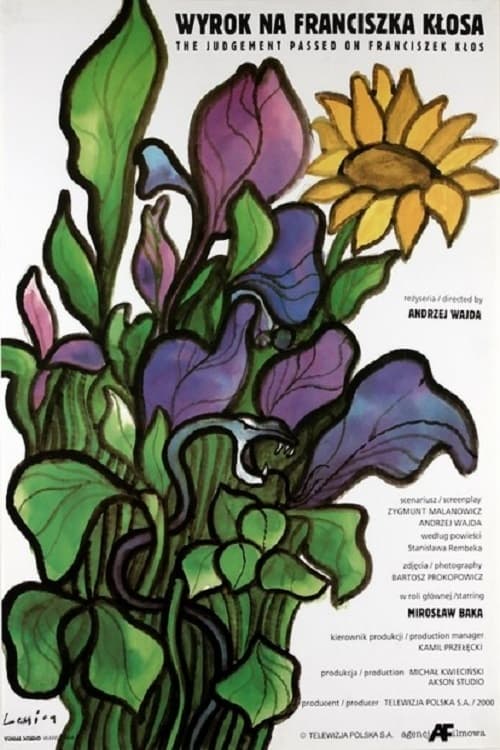
2000
Director
Andrzej Wajda
Runtime
96 minutes
Average Rating
No ratings yetNew Showbiz Analysis
Andrzej Wajda’s drama is a realist study of historical trauma that prioritizes period accuracy over modern characters who reflect more than one aspect of diversity. The film functions within a traditionalist framework, focusing on the moral weight of a specific Polish village during a period of systemic upheaval. Because the narrative aims to reflect the social hierarchies of mid-20th-century rural life, it lacks diversity in gender, race, and sexual orientation. Characters operate within strict religious and cultural structures that define their world. Ultimately, the film is a culturally specific work that seeks to capture the crushing weight of history through a humanist lens.
Category Breakdown
The film contains no LGBTQ+ characters or themes, focusing solely on the traditional social fabric of a mid-20th-century Polish village.
Gender roles follow established historical hierarchies. Men handle civic duties and labor, while women are relegated to domestic and agricultural roles.
The cast is ethnically homogeneous, reflecting the specific historical setting of rural Poland. It does not utilize non-white casting to challenge demographic norms.
Catholic institutions and communal morality are central to the narrative. The film explores a rigid, traditionalist worldview rather than secular or postmodern perspectives.
There are no prominent depictions of physical or neurodivergent disabilities. Such traits do not serve as central plot devices or character arcs.
Present on Screen
Limited or Absent
Official Synopsis
During the German occupation of a small Polish town, Franciszek Kłos, a lowly local policeman, will stop at nothing to become a Volksdeutsche. Eager to prove his loyalty, he zealously carries out the occupiers' orders. What begins as administrative compliance soon escalates when he commits his first murder of a fellow Pole. Condemned to death by the Polish underground, Kłos outwardly shrugs off the sentence while quietly drowning his growing fear in alcohol. As his inhibitions crumble, he descends deeper into violence—participating in the roundup and execution of hidden Jews, and earning a reputation for brutality even among the SS.
1979
1989
2015
1989
1982
1964
2004
1993
No reviews yet. Be the first to share your thoughts on this movie!
Use the rating form above to leave a star rating and optional review.