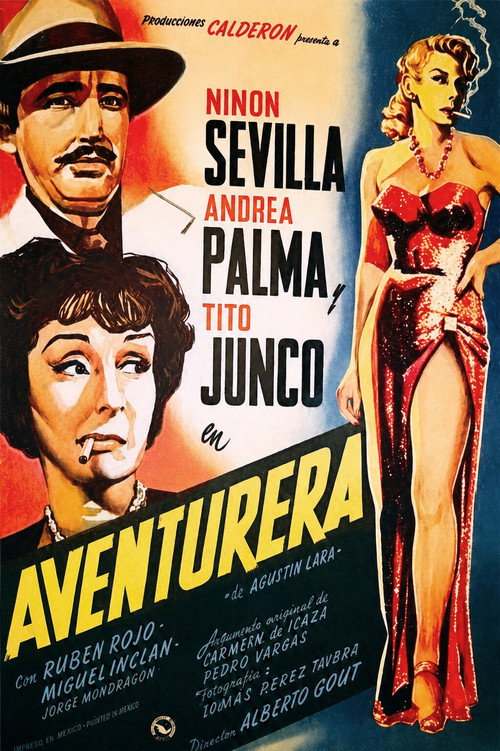
Aventurera
1950
No user ratings available yet
Representation score: 3.5 out of 10
Representation Score
Fair
1952
TV-PGDirector
Alberto Gout
Runtime
94 minutes
Average Rating
No ratings yetNew Showbiz Analysis
Alberto Gout’s direction offers a character study of a woman navigating high-stakes urban environments. The film centers on the protagonist's internal crisis, allowing her to drive the plot through a transformative, though violent, act. While it avoids the racial biases of its time, it remains limited by the era's social norms. It lacks any visible LGBTQ+ representation or depictions of disability. Ultimately, the film is a study of psychological fragmentation, challenging traditional hierarchies by prioritizing a woman's internal struggle over domestic or moral stability.
Category Breakdown
The film does not include any LGBTQ+ identities or same-sex intimacy. It operates within the conventional gender roles typical of early 1950s melodrama.
The narrative centers on a woman's psychological journey and mental unraveling after a violent act. It moves beyond the passive female victim cliché by giving the protagonist significant control over the plot.
As a Mexican production, the film avoids the whitewashing seen in Hollywood films of the time. However, there is no specific casting data available to confirm deeper diversity.
The story explores the complexities of human behavior and the psychological impact of crime, rather than simple religious condemnation. It delves into situational ethics and the aftermath of criminal actions.
There are no characters with visible or invisible disabilities in the narrative.
Present on Screen
Limited or Absent
Official Synopsis
Nightclub dancer comes unglued after killing a man.
1950

2005
1953
1952

1950
1951

1929
1963
No reviews yet. Be the first to share your thoughts on this movie!
Use the rating form above to leave a star rating and optional review.