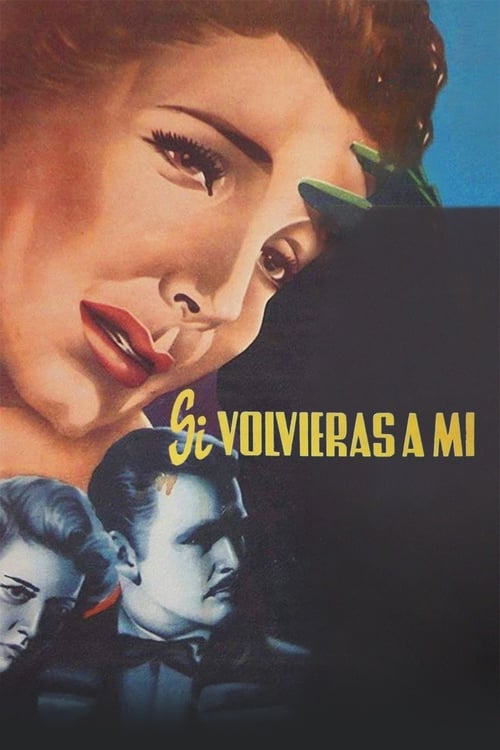
Si volvieras a mi
1954
No user ratings available yet
Representation score: 2.7 out of 10
Representation Score
Limited
1954
Director
Alfredo B. Crevenna
Average Rating
No ratings yetNew Showbiz Analysis
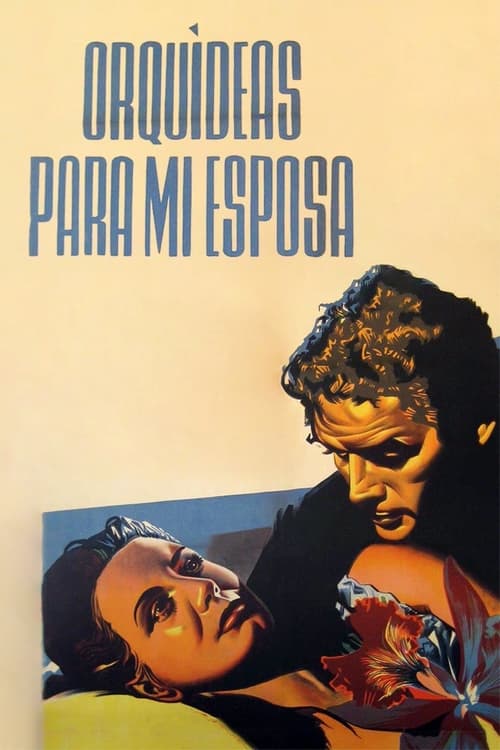
Orquídeas para mi esposa is a traditional romantic melodrama from the Golden Age of Mexican cinema. The film adheres to established genre conventions of its time, prioritizing emotional storytelling over challenging social hierarchies. While the film provides visibility through strong female leads, these characters operate within traditional roles. The structure of the film reinforces the social and moral stability expected during the mid-1950s. Ultimately, the film reflects the demographic and ideological homogeneity of the 1950s Mexican film industry, serving as a snapshot of the era’s social values.
Category Breakdown
The film does not include any representation of LGBTQ+ identities or non-straight relationships. It adheres to the assumption that everyone is straight or cisgender, following the romantic structures typical of 1950s Mexican melodramas.
Strong female leads like Marga López and Maricruz Olivier provide visibility. However, their roles remain confined to traditional domestic and romantic narratives of the era.
The cast is ethnically uniform, reflecting the demographic reality of the 1950s Mexican film industry. It lacks diverse ethnic representation to challenge racial hierarchies.
The narrative emphasizes mid-century social values, focusing on the nuclear family and conventional morality. It aligns with the period's emphasis on romantic and social stability.
There is no evidence of the portrayal of physical or neurodivergent disabilities in this production.
Present on Screen
Limited or Absent
1954
1949
1952
1987
1947
1961
1950
1955
No reviews yet. Be the first to share your thoughts on this movie!
Use the rating form above to leave a star rating and optional review.