Life
1993
No user ratings available yet
Representation score: 5.7 out of 10
Representation Score
Fair
2006
Director
Naomi Kawase
Runtime
39 minutes
Average Rating
No ratings yetNew Showbiz Analysis
Naomi Kawase’s documentary excels by focusing on the female experience as a central philosophical theme. By capturing the physical and emotional realities of childbirth, the film challenges traditional cinematic hierarchies that often sideline maternal experiences. The film's strength lies in its naturalist, non-Western perspective, favoring a rhythmic, elemental existence over Western-centric or capitalist notions of progress, thus creating a deeply authentic cultural atmosphere. However, the film’s narrow focus on biological processes limits its scope to a specific cultural lens, lacking representation for LGBTQ+ identities or non-cisgender narratives, and failing to address a wide range of racial, ethnic, and disability issues.
Category Breakdown
The documentary focuses on the biological and spiritual realities of childbirth and does not include any LGBTQ+ characters or non-cisgender identities.
The film primarily highlights the female experience and the powerful transformation into motherhood, emphasizing the female body's ability to act and transformative impact.
The work is deeply rooted in a specific Japanese cultural and rural context, maintaining high cultural authenticity but offering limited diversity beyond this setting.
The narrative prioritizes a naturalist and animist worldview over organized religion, emphasizing the cyclical nature of life and a connection to the natural world.
There are no depictions of physical or neurodivergent disabilities in the film, which focuses solely on universal biological processes.
Present on Screen
Limited or Absent
Official Synopsis
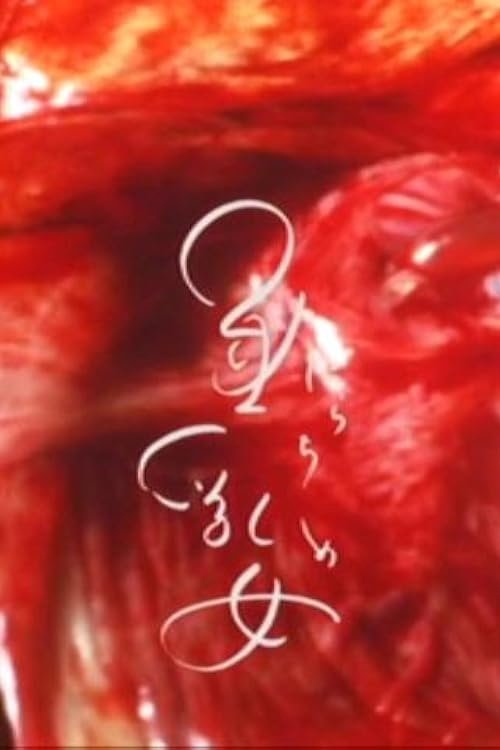
Tarachime is a documentary film which observes 'life' through childbirth. Kawase Naomi, a film director working under the theme of family, life and death, presents the bond of life through her own childbirth experience. "First, I was planning to film from the day I conceived a child and to the moment I gave birth. But I realized, while filming, that this is not the story of "one life." In the end, the film sublimed to a higher stage on which we can witness the knot tying one life with another."
1993
2010

1959
1978
1967
2023
2001

1994
No reviews yet. Be the first to share your thoughts on this movie!
Use the rating form above to leave a star rating and optional review.