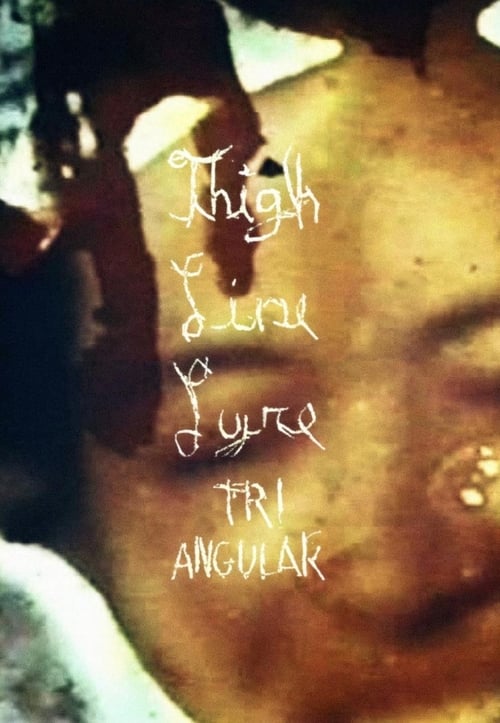
Thigh Line Lyre Triangular
1961
No user ratings available yet
Representation score: 6.8 out of 10

Representation Score
Minimal
1959
Director
Stan Brakhage
Runtime
13 minutes
Average Rating
No ratings yetNew Showbiz Analysis
Stan Brakhage’s experimental work prioritizes sensory perception and biological rhythms over social commentary. By focusing on the visceral mechanics of pregnancy and birth, the film disrupts traditional cinematic storytelling through a formalist lens. However, the film lacks engagement with diverse identities and broader sociopolitical frameworks. It operates as a private, domestic study of a white family, offering no multi-layered depth.
Category Breakdown
The film focuses on a biological process within a domestic setting and does not include any non-cisgender identities or queer-coded narratives.
The film emphasizes the biological ability to act of the female body and the mechanics of birth. It avoids explicit gender hierarchies by focusing on the visceral experience.
This film documents a white family and lacks racial or ethnic diversity, presenting a homogeneous, Anglo-Saxon domestic context.
The work is a secular, biological study of the rhythm of life. It avoids religious or political ideologies, showing the family unit in a naturalistic light.
There is no depiction of physical or neurodivergent disabilities. The focus remains on the biological normative processes of birth and infancy.
Present on Screen
Limited or Absent
Official Synopsis
On a winter's day, a woman stretches near a window then sits in a bathtub of water. She's happy. Her lover is nearby; there are close ups of her face, her pregnant belly, and his hands caressing her. She gives birth: we see the crowning of the baby's head, then the birth itself; we watch a pair of hands tie off and cut the umbilical cord. With the help of the attending hands, the mother expels the placenta. The infant, a baby girl, nurses. We return from time to time to the bath scene. By the end, dad's excited; mother and daughter rest.
1961

2010
2006
1929

1964
2013
1994
1978
No reviews yet. Be the first to share your thoughts on this movie!
Use the rating form above to leave a star rating and optional review.