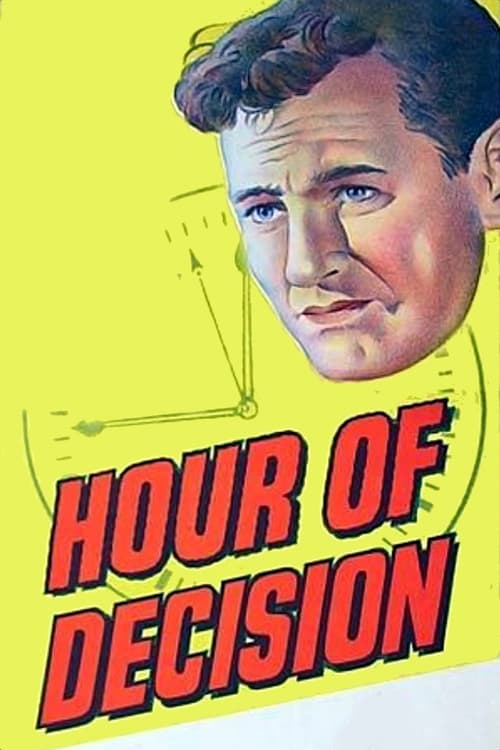
Hour of Decision
1957
No user ratings available yet
Representation score: 0.4 out of 10
Representation Score
Minimal
1946
ApprovedDirector
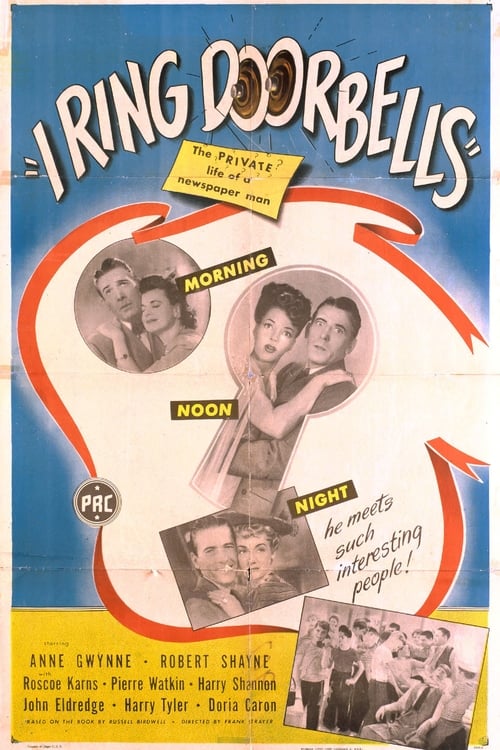
Frank R. Strayer
Runtime
64 minutes
Average Rating
No ratings yetNew Showbiz Analysis
I Ring Doorbells is a product of the mid-1940s Hollywood studio system, emphasizing traditional genre conventions over social complexity. The story follows a reporter investigating a woman's character, a setup rooted in period-specific stereotypes. The film reinforces traditional social hierarchies and gender conflicts. By positioning the central female figure as a subject for exposure, the narrative prioritizes male judgment and upholds narrow views of female morality. Overall, the film lacks depth in representing diverse identities and social issues, adhering closely to the cultural norms and homogeneous casting practices of its time.
Category Breakdown
The film does not include any characters with non-binary or LGBTQ+ identities, nor does it depict any same-sex relationships. The storyline revolves around a son's potential marriage, reinforcing traditional heterosexual norms.
Female characters are portrayed primarily as opportunistic gold diggers, positioned as targets for male investigators to uncover. This framing limits the roles of women in the story, emphasizing their dependence on male judgment.
The film likely reflects the homogeneous casting practices of the mid-1940s, focusing on a predominantly white, Anglo-Saxon cast typical of the era’s studio system.
The themes emphasize the protection of family lineage and the investigation of moral character. The story serves as a cautionary tale that upholds traditional Western values and social hierarchies.
There is no mention of characters with visible or invisible disabilities. The narrative does not address disability representation.
Present on Screen
Limited or Absent
Official Synopsis
Set at a major newspaper, this crime drama centers on a fellow who returns to newspaper reporting after he bombs as a playwright. Believing his grown son is in danger of marrying a gold digger, the paper's publisher assigns his new reporter to expose her.
1957

1940
1939
1946
1937
1944
1938
1948
No reviews yet. Be the first to share your thoughts on this movie!
Use the rating form above to leave a star rating and optional review.