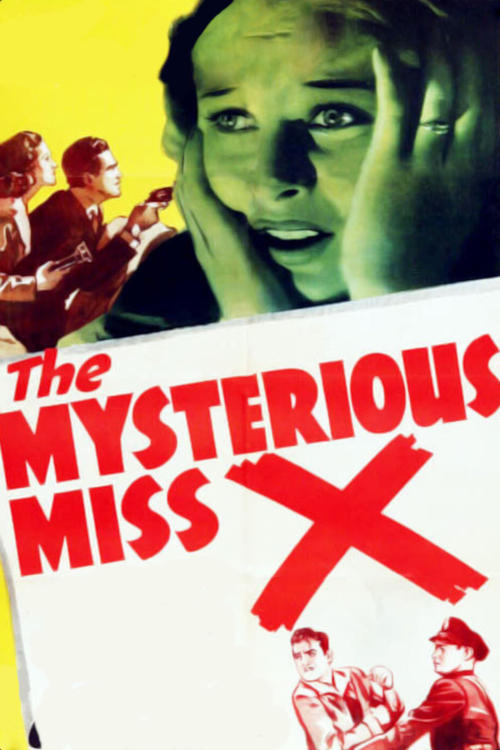
The Mysterious Miss X
1939
No user ratings available yet
Representation score: 1.4 out of 10
Representation Score
Limited
1942
ApprovedDirector
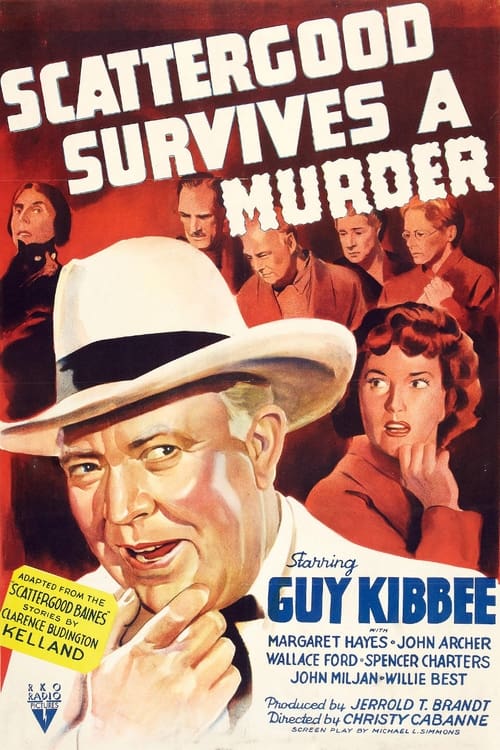
Christy Cabanne
Runtime
66 minutes
Average Rating
No ratings yetNew Showbiz Analysis
Scattergood Survives a Murder is a product of its time, adhering to the conventional social structures of 1940s Hollywood. The narrative structure prioritizes established archetypes, such as the wise rural sage and the urban professional, which reinforce traditional community stability. The film lacks meaningful representation across most diversity metrics. It focuses on a homogeneous perspective that mirrors the demographic norms of the early studio era, offering little disruption to the era's social expectations. Ultimately, the production functions as a standard genre piece. It relies on traditional masculine leadership and conventional social structures rather than exploring diverse identities or complex social critiques.
Category Breakdown
The film does not include any LGBTQ+ characters or stories. It follows the strict social norms of 1942, focusing on traditional relationships.
The story centers around the 'rural sage' archetype, emphasizing traditional masculine wisdom. Female characters likely play supporting roles or serve as plot devices.
Set in a rural environment, the film probably features a mostly white cast. It reflects the demographics typical of early 1940s American cinema.
The narrative highlights traditional American archetypes like the wise rural figure. It reinforces community stability and a traditional moral order.
There is no indication that disability is explored with real depth. Traits related to disability were often used just as plot devices or minor character quirks during this period.
Present on Screen
Limited or Absent
Official Synopsis
Rural sage Scattergood Baines (Guy Kibbee) shows big-city newsman how to solve a mystery.
1939
1944
1945
1944
1943
1946
1945

1946
No reviews yet. Be the first to share your thoughts on this movie!
Use the rating form above to leave a star rating and optional review.