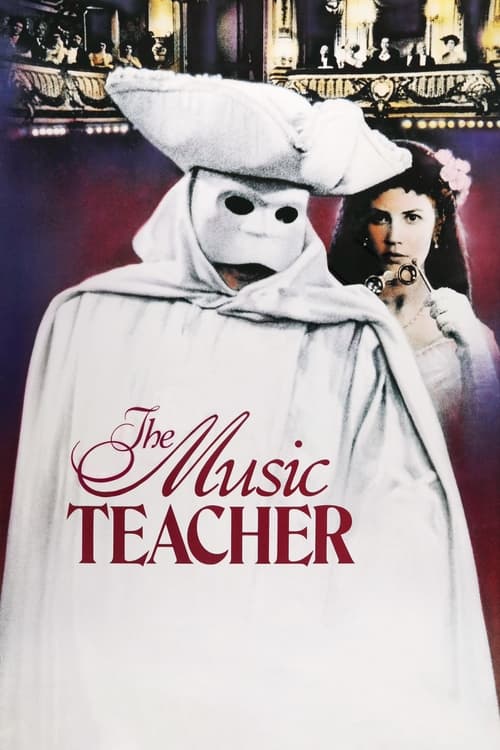
The Music Teacher
1988
No user ratings available yet
Representation score: 0.4 out of 10

Representation Score
Fair
1945
Director
Jean Dréville
Runtime
89 minutes
Average Rating
No ratings yetNew Showbiz Analysis
Jean Dréville’s film is a character study centered on the tension between institutional rigidity and individual ability to act. It explores how art can challenge established authority within a boarding school setting. While the film lacks modern markers like explicit LGBTQ+ or racial diversity, it finds progressive ground in its narrative structure. It prioritizes the emotional awakening of its subjects over punitive social hierarchies. Ultimately, the work functions as a critique of strict disciplinary structures, using music to advocate for empathy and creative expression over mere management of social issues.
Category Breakdown
The film does not include any explicit LGBTQ+ characters or non-straight relationships. The narrative focuses primarily on the educational and musical development of young offenders.
The story centers around a male-dominated hierarchy between a supervisor and a director. There is no indication of women holding positions of intellectual or physical authority.
Set in 1930s France, the film reflects the demographic homogeneity of that time. There is no evidence of a diverse cast or non-Anglo-Saxon majority.
The film critiques rigid institutionalism by contrasting creative expression with disciplinary authority. It uses music as a means to challenge strict, punitive morality.
The status of the young offenders might serve as a proxy for behavioral neurodivergence. The film explores their inherent capabilities through the transformative power of music.
Present on Screen
Limited or Absent
Official Synopsis
In France, in 1930, a supervisor of a boarding school for young offenders seeks to awaken the music by forming a choir, despite the skepticism of his boarding school director.
1988
2015

2020
1979
1948
1933

1936
1947
No reviews yet. Be the first to share your thoughts on this movie!
Use the rating form above to leave a star rating and optional review.