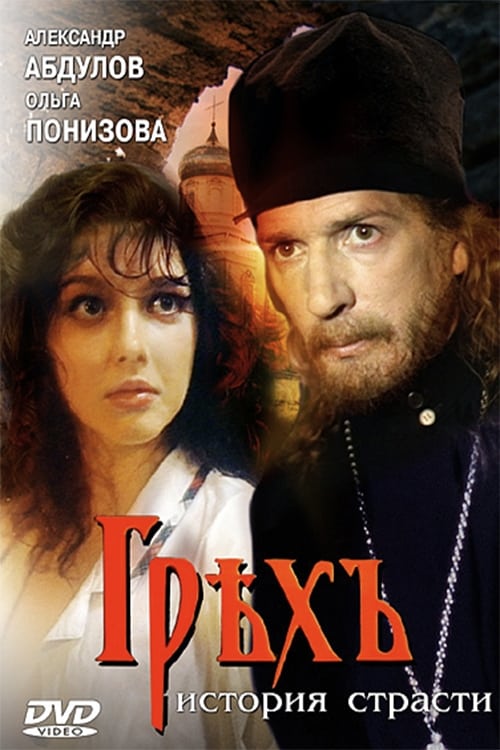
Sin: A Story of Passion
1993
No user ratings available yet
Representation score: 2.9 out of 10

Representation Score
Fair
1960
Director
Mikhail Shveitser
Runtime
209 minutes
Average Rating
No ratings yetNew Showbiz Analysis
Resurrection is a powerful critique of systemic inequality and institutional corruption. It challenges the moral authority of the Tsarist social hierarchy, replacing state-sanctioned justice with individual moral responsibility. The film achieves progressive value through its critique of class and state authority. Despite lacking modern demographic diversity, it highlights the ability to act of those underrepresented by systemic injustice. Ultimately, the narrative structure is designed to undermine trust in traditional institutions, emphasizing the need to dismantle oppressive social structures.
Category Breakdown
The film does not include any LGBTQ+ characters or non-straight identities. The story focuses solely on the power dynamic between the male protagonist and the female lead.
The film explores gendered power dynamics by showing the impact of patriarchal structures on women. It questions the morality of the aristocracy through the lens of male guilt.
Casting reflects the ethnic homogeneity of Tsarist Russia. Instead of racial diversity, the film uses class to highlight the divide between nobility and peasants.
The film critiques institutional power, portraying the judicial system as corrupt and oppressive. Spiritual rebirth is shown as a personal journey rather than adherence to organized religion.
The film does not focus on physical or neurodivergent disabilities. Instead, it explores moral and psychological impairments, particularly the spiritual decay of the protagonist.
Present on Screen
Limited or Absent
Official Synopsis
Katusha, a country girl, is seduced and abandoned by Prince Nekludov. Nekludov finds himself, years later, on a jury trying the same Katusha for a crime he now realizes his actions drove her to. He follows her to imprisonment in Siberia, intent on redeeming her and himself as well.
1993
1938

1955

1938

2017
1969

1979

1955
No reviews yet. Be the first to share your thoughts on this movie!
Use the rating form above to leave a star rating and optional review.