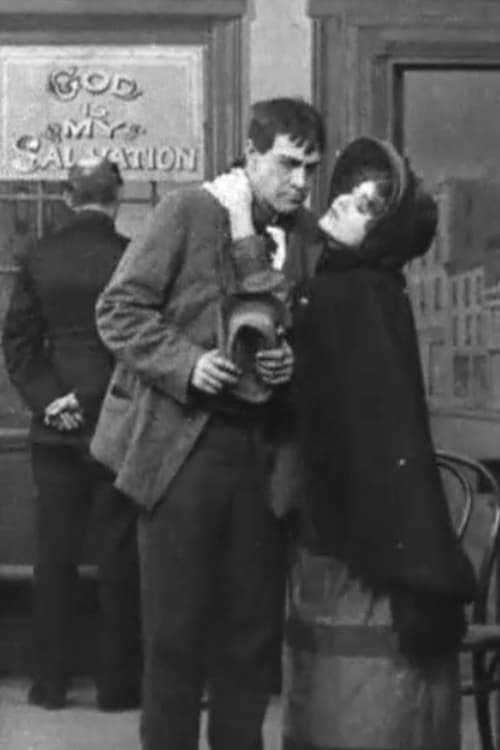
The Salvation Army Lass
1909
No user ratings available yet
Representation score: 0.9 out of 10
Representation Score
Minimal
1926
Director
Benjamin Christensen
Runtime
74 minutes
Average Rating
No ratings yetNew Showbiz Analysis
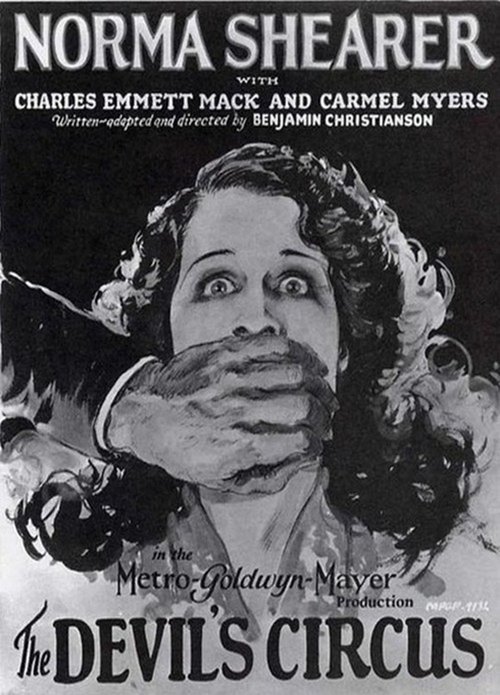
The Devil's Circus is a period-typical drama that adheres to the social and cultural norms of 1926. Its narrative structure relies heavily on established clichés of redemption and conventional romantic pairings. While the film offers a minor critique of systemic hardship by portraying crime as a result of circumstances, it does not aim to disrupt social hierarchies. Characters operate within very rigid, traditional frameworks rather than challenging them. Ultimately, the film reflects the homogeneous and straight-focused standards of early 20th-century cinema, offering little in the way of diverse representation.
Category Breakdown
The film focuses on a typical romantic relationship between a male and a female character. It does not include non-binary or LGBTQ+ identities and does not question the assumption that everyone is straight.
The story revolves around a classic redemption arc where a female character named Mary serves as a catalyst for male change. This dynamic relies on traditional gender roles and the idea of feminine virtue.
The narrative seems centered around a homogeneous cast. It aligns with the era's tendency to depict predominantly white social structures without showing diverse casting.
The film examines tensions between criminal behavior and religious devotion. While it touches on moral skepticism, the narrative ultimately supports traditional moral recovery through romance.
There is no information available regarding the inclusion of characters with physical, sensory, or neurodivergent disabilities.
Present on Screen
Limited or Absent
Official Synopsis
In 1913, Carl is released from prison, where he served a sentence for stealing. Spurned by his circumstance, Carl rejects God and resumes his fast life of crime. Before long, his fate intersects with that of Mary, a devout orphan, prompting a romance and a reevaluation.
1909
1927

1927

1924
1922
1928
1925
1920
No reviews yet. Be the first to share your thoughts on this movie!
Use the rating form above to leave a star rating and optional review.