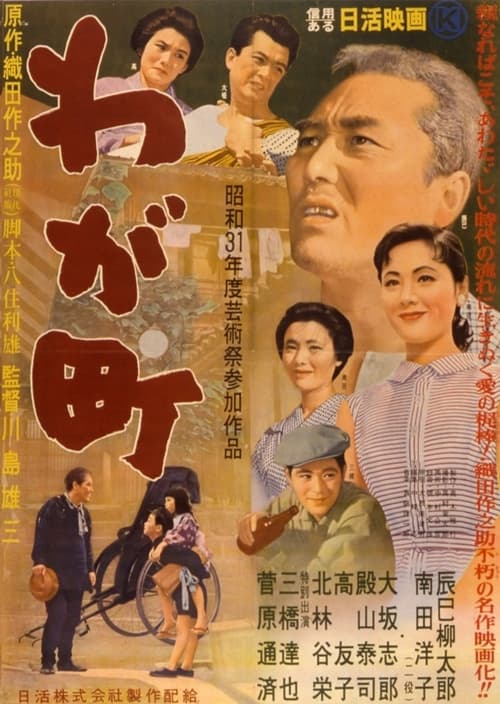
Our Town
1956
No user ratings available yet
Diversity score: 2.7 out of 10
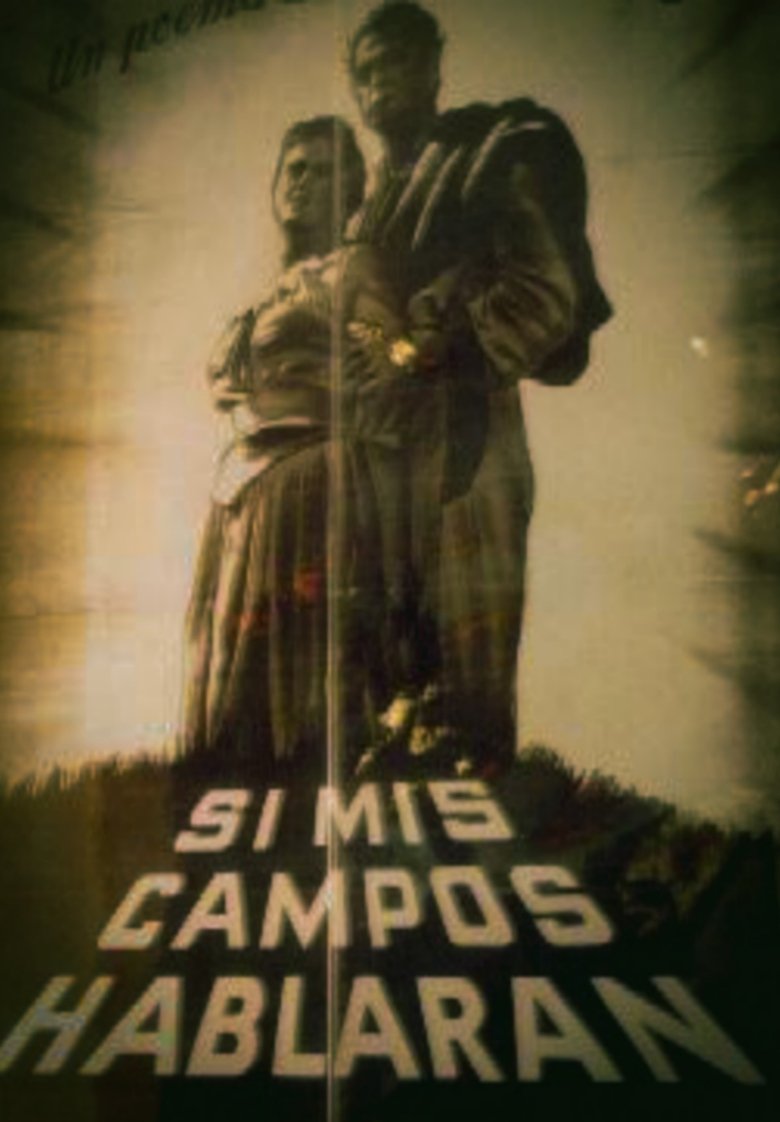
1947
Director
José Bohr
Runtime
77 minutes
Average Rating
No ratings yetSynopsis
The action begins in 1847 with the arrival of the first German settlers in southern Chile. Don Vicente Perez Rosales is in charge of welcoming the immigrants who arrive by boat to the remote areas of Villarica. After the customary speeches promising loyalty to their new homeland, the settlers begin to work the land. Years pass. Frustrated Daniel, his noble brother Simón, and sweet Dora are three of those pioneers whom history revisits in their youth to explore a triangle of love and desire.
Overall Score
Limited
Category Breakdown
LGBTQ+ Representation
The film adheres to conventional romantic tropes of the era. The narrative focuses on a traditional romantic triangle, with no evidence of non-heteronormative identities or same-sex intimacy.
Gender Representation
Female characterization relies on traditional archetypes, specifically describing the lead, Dora, as 'sweet.' The plot centers on romantic involvement rather than female intellectual or structural agency.
Racial & Ethnic Diversity
The story prioritizes the German settler experience in southern Chile. It lacks explicit detail regarding the presence or agency of the indigenous populations in the Villarica region.
Religious & Cultural Diversity
The film emphasizes nation-building, loyalty, and land cultivation. It follows Western narratives of progress and social cohesion through the integration of immigrants into the national framework.
Disability Representation
There is no mention of characters with visible or invisible disabilities within the narrative.
Strengths
Areas for Improvement
AI Analysis
Si mis campos hablaran is a mid-century historical drama that uses the German colonization of southern Chile as a backdrop for melodrama. The film explores national identity through the lens of immigration and land ownership, following established cinematic patterns of its time. The narrative architecture focuses on interpersonal conflicts and a romantic triangle among pioneers. While it engages with the complexities of settlement history, it maintains a conventional approach to social roles and hierarchies. Ultimately, the film functions as a traditional period piece. It prioritizes the settler perspective and adheres to the romantic and social conventions prevalent in 1947 cinema.
1956
1943

1948
1983
1976
1963
1955
1914
1977
1921
1967

1985
No reviews yet. Be the first to share your thoughts on this movie!
Use the rating form above to leave a star rating and optional review.