Inesquecível
2007
No user ratings available yet
Diversity score: 4.1 out of 10
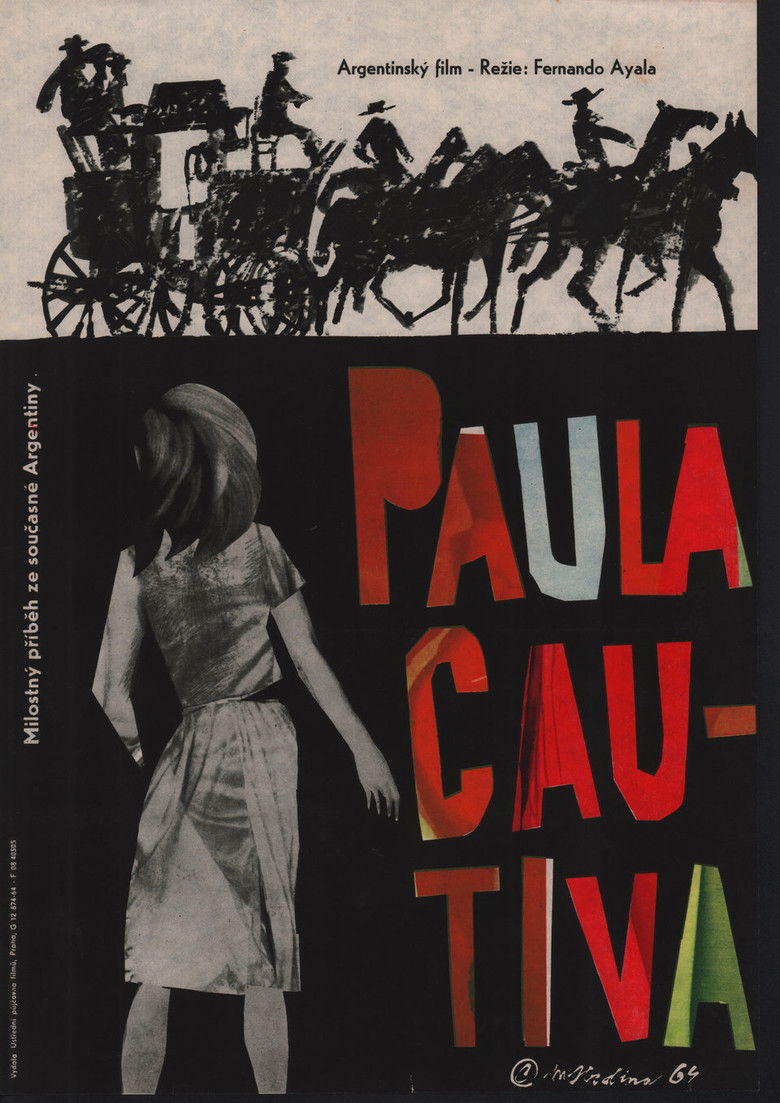
1963
Director
Fernando Ayala
Runtime
100 minutes
Average Rating
No ratings yetSynopsis
An Argentine who emigrated to the United States finds himself by chance in Argentina for business. There he hires a woman, Paula, who is from a traditional but poor family, and he finds himself falling in love with her.
Overall Score
Limited
Category Breakdown
LGBTQ+ Representation
The film follows a conventional heteronormative romantic arc. There is no evidence of non-cisnormative identities or critiques of traditional sexual structures.
Gender Representation
The plot centers on a romantic attraction between an employer and an employee. This dynamic reinforces traditional hierarchies where gender roles are defined by socioeconomic status.
Racial & Ethnic Diversity
The story focuses on the cultural nuances of Argentine social strata. It explores themes of emigration and displacement between Argentina and the United States.
Religious & Cultural Diversity
The narrative depicts a collision between different socioeconomic worlds. It reinforces traditional social structures and the importance of family lineage within 1960s Argentina.
Disability Representation
There is no information available regarding the depiction of physical or neurodivergent characters in this work.
Strengths
Areas for Improvement
AI Analysis
Paula Cautiva is a mid-century drama that prioritizes classical romantic tropes. The narrative architecture maintains existing social hierarchies rather than disrupting them, focusing heavily on the tension between tradition and modernity. The film provides a window into the class tensions of the era through the lens of an emigrant returning to his roots. However, it lacks significant representation of diverse identities, adhering instead to the established social mores of its time. Ultimately, the film functions as a study of domestic class structures and courtship, offering limited exploration of gender, sexuality, or institutional authority.
2007

1957
1978

1962

2010

1955

1950

1980

1985

2011
1949

1947
No reviews yet. Be the first to share your thoughts on this movie!
Use the rating form above to leave a star rating and optional review.