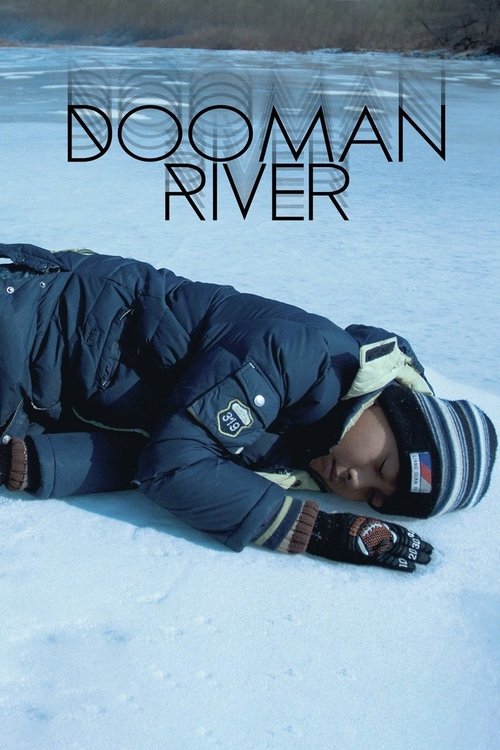
Dooman River
2010
No user ratings available yet
Representation score: 8.6 out of 10
Representation Score
Good
2007
Director
Zhang Lu
Runtime
123 minutes
Average Rating
No ratings yetNew Showbiz Analysis
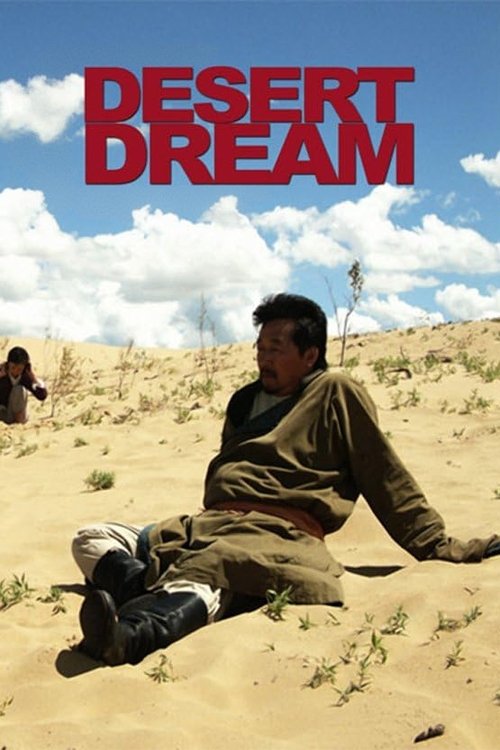
Desert Dream stands out as a study of the geopolitical periphery, shifting focus from Anglo-centric storytelling to the margins of nation-states. Its strength lies in its realistic depiction of ethnic and regional complexity within the Mongolian-Chinese borderlands. While the film does not engage with contemporary Western identity politics or LGBTQ+ themes, it offers a nuanced subversion of traditional masculine stereotypes. By portraying the male protagonist with emotional vulnerability, it challenges the typical strong male archetype. Ultimately, the film provides a humanistic exploration of survival. It shifts from polished, institutionalized narratives to a raw look at characters navigating life outside the reach of formal state authority.
Category Breakdown
The film centers on a traditional family and the arrival of a North Korean refugee. It does not explore non-straight or non-cisgender identities or narratives related to LGBTQ+ themes.
The story challenges traditional masculine stereotypes by showing the male lead in a vulnerable emotional state. Female characters play crucial roles in driving the plot forward.
The film highlights the border region between Mongolia and China, focusing on regional identities and non-Western settings often overlooked in mainstream cinema.
The narrative emphasizes humanistic morality over strict state or religious doctrines. It examines survival in a space where formal institutions and legal systems are largely ineffective.
A sick child serves as a key driver for the plot. However, it is unclear if the child has significant influence or merely serves as a narrative device.
Present on Screen
Limited or Absent
Official Synopsis
In a vast desert area somewhere at the border between Mongolia and China, Hungai lives together with his wife and child. Dutifully, Hungai plants little trees in the desert. After his wife embarks on a long trip to a hospital in the capital Ulaanbaatar to have their sick son examined, Hungai starts to drink out of loneliness. One day, a North Korean fugitive and her son ask for shelter in his home.
2010
2002
2008

2024
2005

1991
2016
2015
No reviews yet. Be the first to share your thoughts on this movie!
Use the rating form above to leave a star rating and optional review.