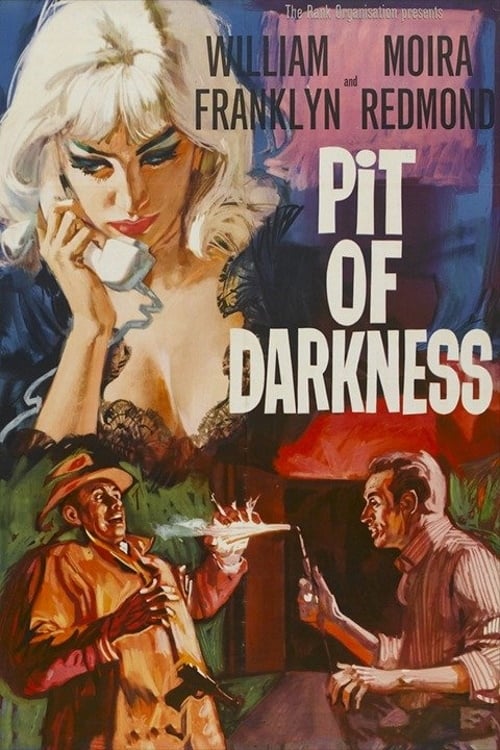
Pit of Darkness
1961
No user ratings available yet
Diversity score: 2.5 out of 10

1953
ApprovedDirector
Lew Landers
Runtime
70 minutes
Average Rating
No ratings yetSynopsis
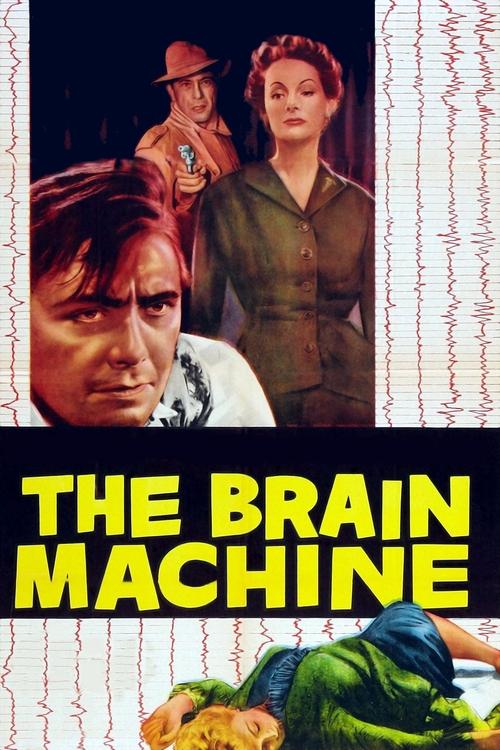
Many interested parties are after the loot from a factory payroll heist but the mobster who hid it has amnesia after undergoing experimental brain surgery in the prison hospital.
Overall Score
Limited
Category Breakdown
LGBTQ+ Representation
The film adheres to the strictures of the 1953 Hays Code. There is no evidence of non-heteronormative identities or same-sex intimacy within the narrative.
Gender Representation
Female characters largely function as femme fatales or damsels in distress. Narrative agency remains concentrated in the male protagonist, reinforcing traditional gender hierarchies.
Racial & Ethnic Diversity
The cast and social environment appear largely homogeneous. The film reflects the era's tendency to depict white, urban populations as the default social norm.
Religious & Cultural Diversity
The story focuses on crime and underworld mechanics rather than systemic critiques. It follows established genre conventions regarding morality and Western institutions.
Disability Representation
Amnesia serves as a central plot device and catalyst for tension. However, the condition functions as a mechanical tool rather than a nuanced exploration of lived experience.
Strengths
Areas for Improvement
AI Analysis
Man in the Dark is a quintessential 1950s crime thriller that prioritizes genre tropes over social subversion. The film operates within the conventional frameworks of its era, reinforcing standard social and cultural hierarchies through its character archetypes and setting. The narrative relies heavily on male-driven progression and a homogeneous social landscape. While it utilizes a cognitive impairment to drive the plot, it lacks the depth required to offer a meaningful portrayal of disability or neurodivergence. Ultimately, the film serves as a product of its time, maintaining the status quo of mid-century studio production without challenging existing norms regarding gender, race, or identity.
1961
1955
1957
1949
1957
1961
1956
1955
1958
1938
1953
1951
No reviews yet. Be the first to share your thoughts on this movie!
Use the rating form above to leave a star rating and optional review.