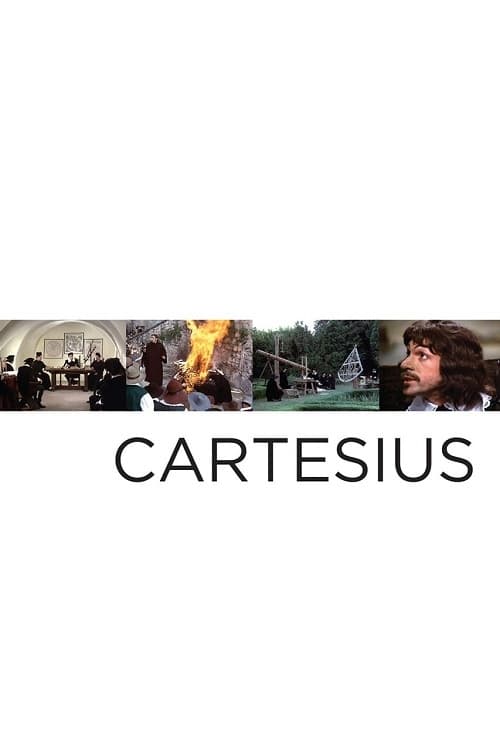
Cartesius
1974
No user ratings available yet
Representation score: 3.2 out of 10

Representation Score
Minimal
1972
Director
Roberto Rossellini
Runtime
129 minutes
Average Rating
No ratings yetNew Showbiz Analysis
Rossellini’s film about Blaise Pascal is a traditional historical reconstruction. It prioritizes intellectual and spiritual authenticity over modern identity-driven narratives, staying true to the social norms of the 17th century. The film upholds established Western hierarchies rather than challenging them. By centering on the life of a male philosopher within the context of the Catholic Church, the production maintains a narrow, historically accurate scope. Ultimately, the work serves as a detailed study of a specific historical figure. It lacks the broad representation found in contemporary cinema, favoring a singular moral and spiritual framework.
Category Breakdown
The film stays true to the 17th-century French social and religious context. It does not depict any non-traditional gender identities or same-sex relationships.
The story focuses on male-dominated areas of theology and mathematics. It emphasizes the roles traditionally held by men, without challenging these gender hierarchies.
The casting reflects the predominantly white European population of the 17th century. There are no central characters from diverse backgrounds or attempts at color-blind casting.
The narrative is centered around the Catholic Church and Jansenism. It examines the harmony between science and faith without criticizing these institutions.
While Pascal had known physical ailments, the film concentrates on his intellectual achievements. Physical disabilities do not play a central role in the story.
Present on Screen
Limited or Absent
Official Synopsis
In this evocative, atmospheric biography, Roberto Rossellini brings to life philosopher and mathematician Blaise Pascal, who, amid religious persecution and ignorance, believed in a harmony between God and science.
1974
1950
1973
1989
1972

2009

1975
1968
No reviews yet. Be the first to share your thoughts on this movie!
Use the rating form above to leave a star rating and optional review.