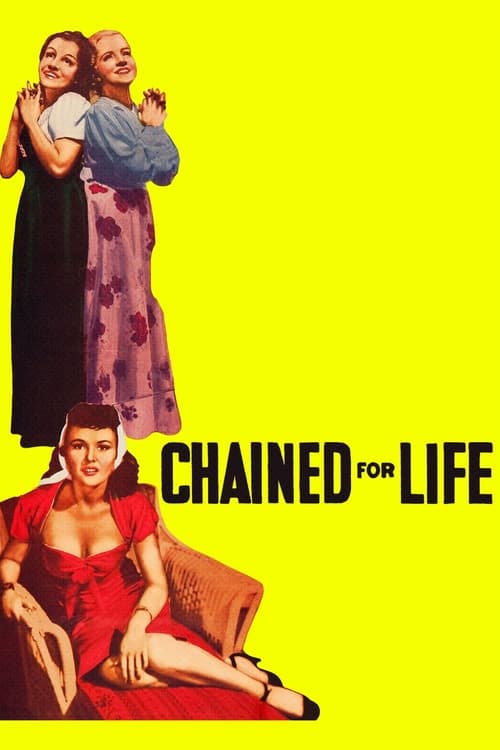
Chained for Life
1952
No user ratings available yet
Diversity score: 2.6 out of 10

1962
Director
Basil Dearden
Runtime
93 minutes
Average Rating
No ratings yetSynopsis
John Harris finds himself ostracized and placed on trial for allowing his daughter Ruth to die. His religious beliefs forbade him to give consent for a blood transfusion that would have saved her life. Doctor Brown is determined to seek justice for what he sees as the needless death of a young girl.
Overall Score
Limited
Category Breakdown
LGBTQ+ Representation
The film lacks any evidence of LGBTQ+ characters or narratives. The story focuses exclusively on the conflict between religious doctrine and medical law.
Gender Representation
The narrative is driven by a male-centric conflict between a father and a doctor. While a female child is the central victim, the primary agency resides with male figures.
Racial & Ethnic Diversity
The production appears to prioritize a homogeneous social framework. There is no indication of a multi-ethnic cast within this 1962 British context.
Religious & Cultural Diversity
The film critiques the friction between religious institutions and secular scientific authority. It deconstructs religious dogma when it conflicts with state-sanctioned medical necessity.
Disability Representation
A medical crisis involving a child serves as the plot's catalyst. However, the child's condition is used for legal debate rather than exploring disability as a character trait.
Strengths
Areas for Improvement
AI Analysis
Basil Dearden’s drama is a specialized social study that examines the boundaries of personal belief versus societal law. It succeeds in interrogating institutional power by framing religious conviction within a legal framework that prioritizes secular medical intervention. However, the film lacks intersectional breadth. The narrative is narrow, focusing on a singular ethical crisis that excludes diverse perspectives regarding race, gender, and sexual orientation. Ultimately, the film functions more as a legal and moral debate than a diverse character study, prioritizing the clash of authorities over a broad representation of human experience.
1952
1961

1954
1970
1963

1970
1972
1938
1950
1957
1955
1974
No reviews yet. Be the first to share your thoughts on this movie!
Use the rating form above to leave a star rating and optional review.