Rudy: The Rudy Giuliani Story
2003
No user ratings available yet
Diversity score: 2.2 out of 10
1995
PGDirector
Frank Pierson
Runtime
135 minutes
Average Rating
No ratings yetSynopsis
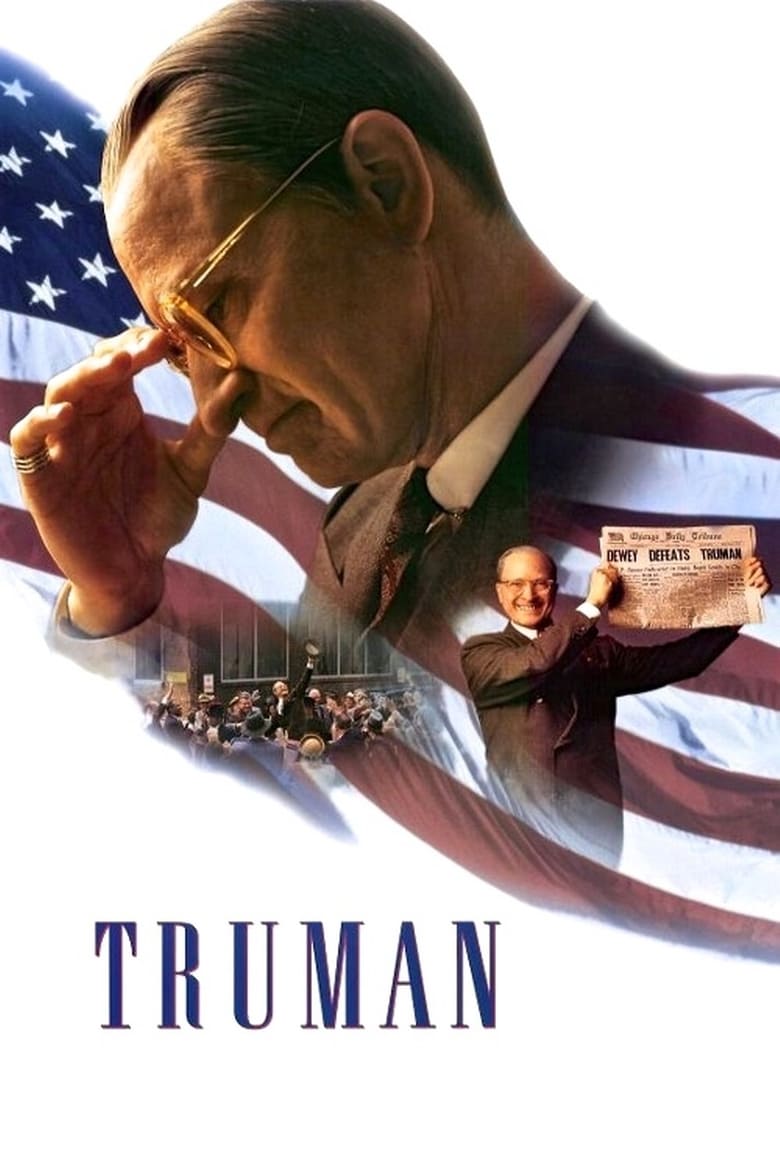
Biographical account of America's President for the latter part of WWII. Shows Truman's rise from small-town nobody to leader of the USA, his decision to use the Atomic Bomb against Japan, and subsequent election as the US' post-war President.
Overall Score
Limited
Category Breakdown
LGBTQ+ Representation
The film focuses on the political and military trajectory of Harry S. Truman. There are no visible LGBTQ+ characters or narratives that challenge heteronormative social frameworks.
Gender Representation
The narrative centers on masculine authority and wartime command. Female characters likely occupy limited, supportive, or domestic roles within the context of mid-century leadership.
Racial & Ethnic Diversity
The story prioritizes a Western, Anglo-centric political history. While the geopolitical context involves Japan, the focus remains on a homogeneous white political establishment.
Religious & Cultural Diversity
The film reinforces traditional Western institutional history and patriotism. It emphasizes the gravity of state-sanctioned power rather than critiquing these established global orders.
Disability Representation
There is no mention of characters navigating physical or neurodivergent disabilities within the biographical account.
Strengths
Areas for Improvement
AI Analysis
Truman (1995) is a traditional biographical drama that adheres to the conventional prestige television structures of its era. The narrative is built around the consolidation of power and the historical arc of political ascension within Western institutions. Because the film focuses on the mid-century American presidency, it naturally prioritizes a masculine-centric view of leadership. The story follows a trajectory of wartime command and institutional history that lacks significant narrative disruption or diverse perspectives. Ultimately, the film serves as a study of historical continuity. It reflects the social and political norms of the mid-20th century without attempting to subvert or expand upon them through diverse representation.
2003
1974

2000
2008

2017

1993
2004
2000

1989
2002
2005

1992
No reviews yet. Be the first to share your thoughts on this movie!
Use the rating form above to leave a star rating and optional review.