
Made in Hong Kong
1997
No user ratings available yet
Diversity score: 4.6 out of 10

2009
Director
Wong Jing, Billy Chung Siu-Hung
Runtime
96 minutes
Average Rating
No ratings yetSynopsis
Set within Mongkok, Hong Kong, an area known as the most crowded in the world, a schizophrenic ex-con views his Mongkok surroundings as a prison he can't get out of after he is released from a 30 years jail sentence.
Overall Score
Fair
Category Breakdown
LGBTQ+ Representation
The film offers no evidence of non-heteronormative identities. There are no narratives present that critique heteronormativity.
Gender Representation
The story focuses on a male ex-con, suggesting a male-centric perspective. There is a lack of visible female agency in the primary premise.
Racial & Ethnic Diversity
Set in Mongkok, the film centers on a local protagonist within a Cantonese/Chinese context. It explores the specific socio-cultural experience of the Hong Kong landscape.
Religious & Cultural Diversity
The narrative frames the urban environment as an oppressive, inescapable system. It uses psychological fragmentation to critique traditional social orders and societal freedom.
Disability Representation
The protagonist is identified as schizophrenic, making neurodivergence a critical pivot point. It remains unclear if this condition drives the character or serves as a plot device.
Strengths
Areas for Improvement
AI Analysis
To Live and Die in Mongkok is a character study centered on masculine struggle and the psychological impact of urban confinement. The film utilizes a specific cultural lens to explore the systemic pressures of Hong Kong's dense metropolitan landscape. While the film provides a nuanced look at neurodivergence and societal oppression, it lacks intersectional breadth. The narrative architecture leans heavily on traditional crime and drama tropes, focusing on a singular male perspective. Ultimately, the film's strength lies in its exploration of subjective reality and the metaphorical prison of the city, though it lacks diverse character-driven data to expand its social scope.
1997

1991

1987

2011

2007
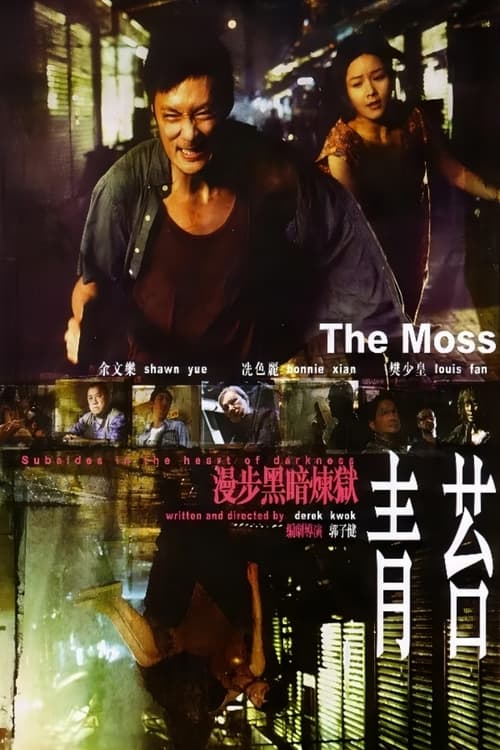
2008

2001

2000
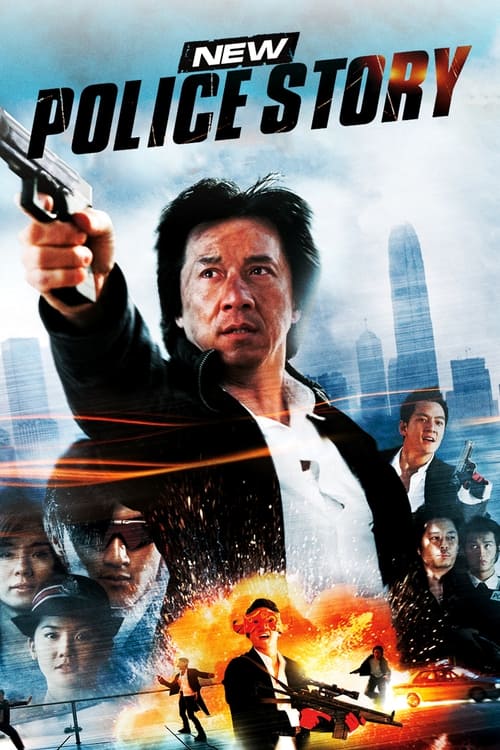
2004

2003
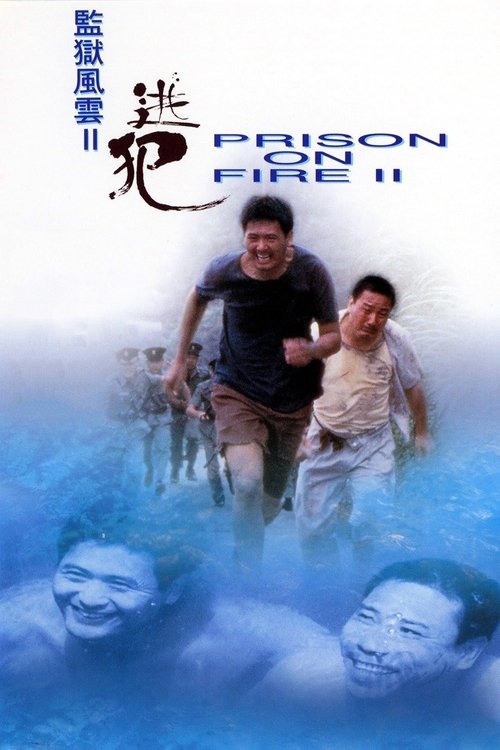
1991

1997
No reviews yet. Be the first to share your thoughts on this movie!
Use the rating form above to leave a star rating and optional review.