
Man on the Brink
1981
No user ratings available yet
Representation score: 4.2 out of 10
Representation Score
Good
1991
Director
Poon Man-Kit
Runtime
136 minutes
Average Rating
No ratings yetNew Showbiz Analysis
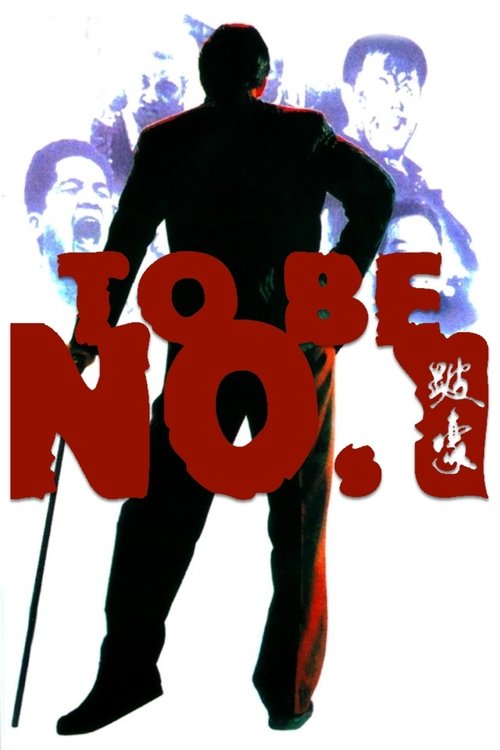
To Be Number One is a gritty work of social realism that prioritizes systemic critique over genre escapism. It succeeds by deconstructing the traditional hero archetype, replacing it with a complex study of how underrepresented individuals navigate oppressive economic landscapes. The film excels in its cultural and regional authenticity, providing a localized perspective that avoids Western-centric norms. By centering the narrative on the Cantonese-speaking working class, it offers a profound look at identity and control within a post-colonial setting. However, the film's narrow focus on survivalist dynamics results in a significant lack of representation for LGBTQ+ identities. While it handles disability with nuance, the portrayal of gender remains secondary to broader socioeconomic themes.
Category Breakdown
The film focuses entirely on working-class survival and gang hierarchies. There are no LGBTQ+ characters or explorations of non-straight relationships.
Gender is shown through the lens of shared socioeconomic struggles rather than romanticized clichés. While it avoids traditional hierarchies, it does not explicitly center women’s roles as primary drivers of the story.
The narrative provides a strong, non-Anglo-centric depiction of the Cantonese-speaking working class. It offers an authentic portrayal of regional identity within a specific Hong Kong context.
The film offers a sophisticated critique of capitalist structures and systemic inequality. It frames criminal behavior as a survival necessity and portrays traditional institutions as ineffective or harmful.
Physical disability is central to the protagonist's identity and journey. It is used as a metaphor for social isolation rather than being treated as mere inspiration.
Present on Screen
Limited or Absent
Official Synopsis
The story of Ho, a Chinese peasant/slave worker who escapes to Hong Kong and becomes one of the most feared gang bosses in Hong Kong.
1981
1987
1998

1999

2001
2008

2012

1998
No reviews yet. Be the first to share your thoughts on this movie!
Use the rating form above to leave a star rating and optional review.