
Chinese Midnight Express
1997
No user ratings available yet
Representation score: 4.7 out of 10
Representation Score
Fair
1991
TV-MADirector
Ringo Lam Ling-Tung
Runtime
109 minutes
Average Rating
No ratings yetNew Showbiz Analysis
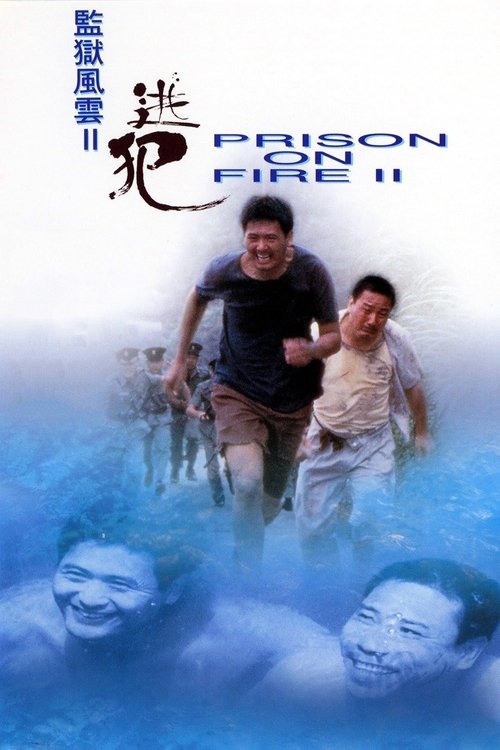
Prison on Fire II is a gritty character study of survival within a closed, oppressive system. It excels at providing a localized, non-Western perspective on social structures and institutional corruption. The film's strength lies in its nuanced exploration of morality and its critique of state authority. However, it heavily focuses on a hyper-masculine worldview, lacking meaningful representation for women and LGBTQ+ identities. The narrow focus on physical dominance also limits diverse portrayals of disability.
Category Breakdown
The film focuses on intense emotional bonds and brotherhood among male inmates but does not depict any queer identities or romantic arcs involving LGBTQ+ individuals.
The narrative emphasizes male strength and physical dominance within a masculine-centric hierarchy. Female characters are relegated to peripheral roles, reflecting traditional gendered power dynamics.
The film features a predominantly Chinese cast that avoids a Western-centric lens. It centers local cultural dynamics and social structures, emphasizing character's ability to drive the story within a specific ethnic context.
The story explores moral relativism and critiques institutional justice. It portrays the prison system as an oppressive force that drives characters toward survival-based anti-social behavior.
The film highlights physical prowess and combat capability rather than disability. While the psychological toll of confinement is acknowledged, characters with disabilities are not central to the plot.
Present on Screen
Limited or Absent
Official Synopsis
The rivalry between two Chinese prison factions heats up as a seasoned inmate forms an alliance that could cost him more than his freedom.
1997
1987
1994
1987

1992
2011
1989
1991
No reviews yet. Be the first to share your thoughts on this movie!
Use the rating form above to leave a star rating and optional review.