
Pixote
1980
No user ratings available yet
Representation score: 6.1 out of 10
Representation Score
Good
2008
Director
Brillante Ma Mendoza
Runtime
86 minutes
Average Rating
No ratings yetNew Showbiz Analysis
Slingshot is a gritty social realism film that prioritizes systemic critique over modern identity politics. Its strength lies in its authentic portrayal of the Filipino experience, resisting the homogenization of globalized cinema by centering underrepresented voices against an oppressive state apparatus. While the film excels in racial and cultural authenticity, it lacks specific representation for LGBTQ+ identities and disability. The narrative focuses on the struggle for survival in crime-ridden districts, which often overshadows individual identity-based explorations. Ultimately, the film serves as a powerful post-colonial critique, offering a raw, observational look at how the lowest members of society navigate institutional corruption and state-sponsored violence.
Category Breakdown
The film centers on the survival struggles of the urban poor and does not include prominent LGBTQ+ narratives or non-assuming gender matches what was assigned at birth gender identities.
Female characters are shown navigating the harsh realities of slum life rather than idealized domestic roles. They face systemic violence alongside men, but the film emphasizes socioeconomic class over gender hierarchy.
The film excels by featuring a Filipino cast within their own cultural context, avoiding an outsider perspective and highlighting the authentic cultural ability to act of the characters.
The narrative critiques traditional institutions by depicting state authorities as oppressive. It portrays characters' survival strategies as responses to a failed capitalist system.
While the film illustrates the physical toll of poverty, it lacks detailed portrayals of neurodivergence or physical disabilities. Struggles are primarily framed through socioeconomic deprivation.
Present on Screen
Limited or Absent
Official Synopsis
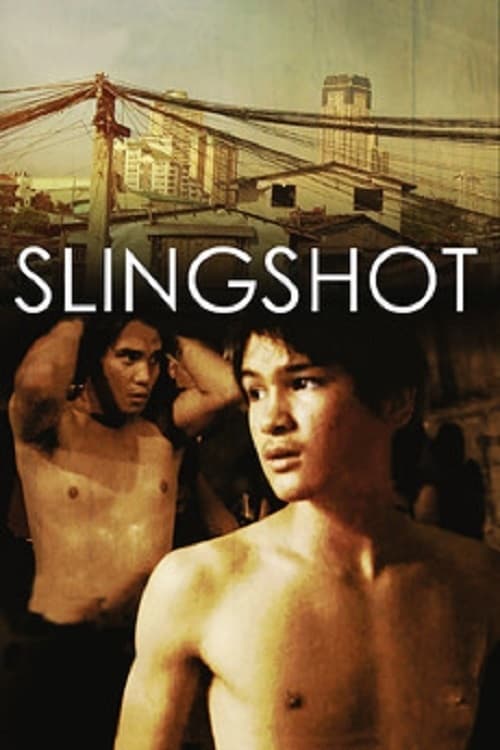
A tribute to the real potential of digital cinema, Slingshot is a slum epic on steroids. It weaves stories left and right into a shocking tableau about life for the lowest of the low in the Philippines poorest and most crime-ridden districts. National elections are coming up so in the usual attempt to appear “tough-on-crime”, The Big Boys have been sent into crack down on the the local squatters, thieves and miscreants who litter the film like broken bottle. And since no sweep is ever a clean sweep, the cops brutal shock-force tactics quickly ripple outwards with jagged repurcussions.
1980

1988

2003

2012

1997

2010

2009

2011
No reviews yet. Be the first to share your thoughts on this movie!
Use the rating form above to leave a star rating and optional review.