
Rogelia
1962
No user ratings available yet
Representation score: 1.2 out of 10
Representation Score
Limited
1952
Director
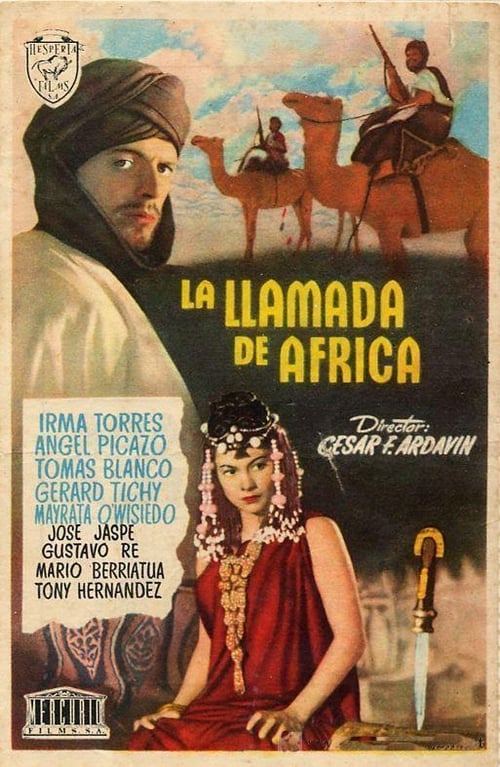
César Fernández Ardavín
Average Rating
No ratings yetNew Showbiz Analysis
La llamada de África functions as a tool of soft power, navigating the complex relationships between Spain and Morocco in the 1940s. While it avoids a purely Eurocentric perspective by focusing on Moroccan-Spanish interactions, these connections are shaped by state diplomacy rather than individual ability to act. The film’s diversity is tied to the political interests of the Francoist era. It aims to stabilize existing social orders through themes of brotherhood and institutional stability rather than disrupting traditional hierarchies. Ultimately, the work reflects the constraints of its time, offering moderate racial inclusion while adhering strictly to the gendered and social norms of mid-century Spanish cinema.
Category Breakdown
The film does not include any LGBTQ+ characters or stories involving non-straight relationships. Due to the strict censorship of 1952 Spain, such themes are completely absent.
The story centers on masculine leadership and military duties within a traditional hierarchy. Women appear in supporting roles but do not play a significant role in driving the main plot or challenging power structures.
The film highlights a 'blood brotherhood' between Spanish and Moroccan populations, providing a moderate level of diversity within its specific geopolitical context.
The movie promotes a vision of colonial coexistence and internationalism, emphasizing ties with North Africa to support the political goals and patriotism of the Spanish state.
There are no characters with visible or invisible disabilities featured in this work.
Present on Screen
Limited or Absent
1962
1947
1971
1955
1949

1972
1945
1951
No reviews yet. Be the first to share your thoughts on this movie!
Use the rating form above to leave a star rating and optional review.