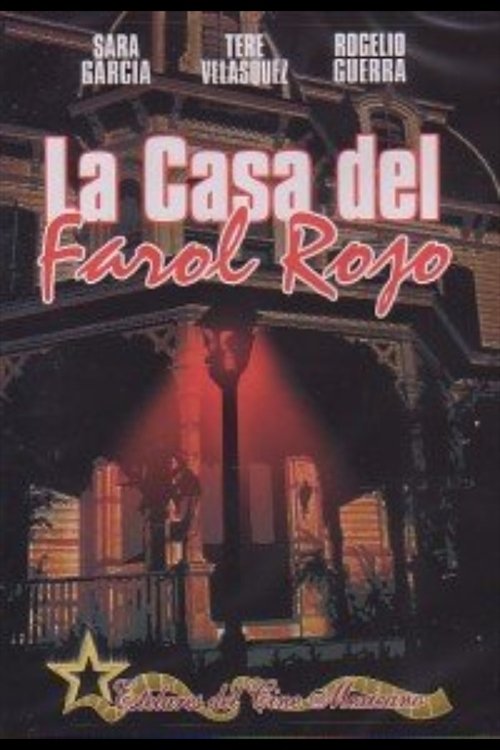
La Casa del Farol Rojo
1971
No user ratings available yet
Representation score: 3.6 out of 10
Representation Score
Limited
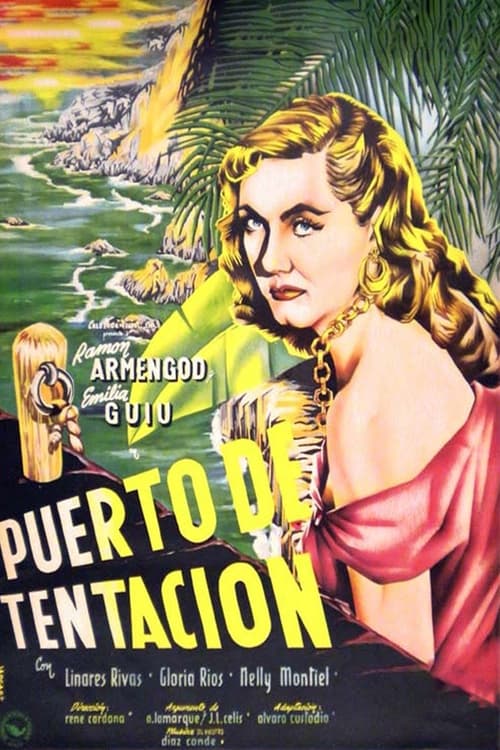
1951
Director
René Cardona
Runtime
77 minutes
Average Rating
No ratings yetNew Showbiz Analysis
Port of Temptation is a product of the Golden Age of Mexican cinema, adhering strictly to the genre conventions of the 1950s. While it offers a culturally specific perspective through its Mexican cast and crew, the film lacks intentional challenges to social hierarchies. The representation of women is central to the cast but remains tied to dramatic clichés. Similarly, the film lacks any visible presence of LGBTQ+ identities or disability representation, functioning instead as a standard crime drama of its period.
Category Breakdown
The film follows the conventions typical of 1950s Mexican cinema, which assume everyone is straight or cisgender. There are no queer narratives or non-cisgender identities present.
Female leads like Emilia Guiú and Gloria Ríos play key roles in the story. However, these characters likely fit traditional archetypes, such as the femme fatale, rather than having independent control over their destinies.
As a Mexican production, the film showcases a non-Anglo-Saxon cast. While culturally specific, the casting likely reflects the homogeneous social structure of the time.
The narrative likely upholds the moral and social values of mid-century Mexico. It reinforces social order rather than challenging established communal morality.
There is no evidence of characters with physical or neurodivergent disabilities in this film.
Present on Screen
Limited or Absent
Official Synopsis
A cabaret dancer helps an injured man, and the two fall in love, unaware that together they will face a tragedy.
1971
1951
1947
1961
1945
1935
1967
1949
No reviews yet. Be the first to share your thoughts on this movie!
Use the rating form above to leave a star rating and optional review.