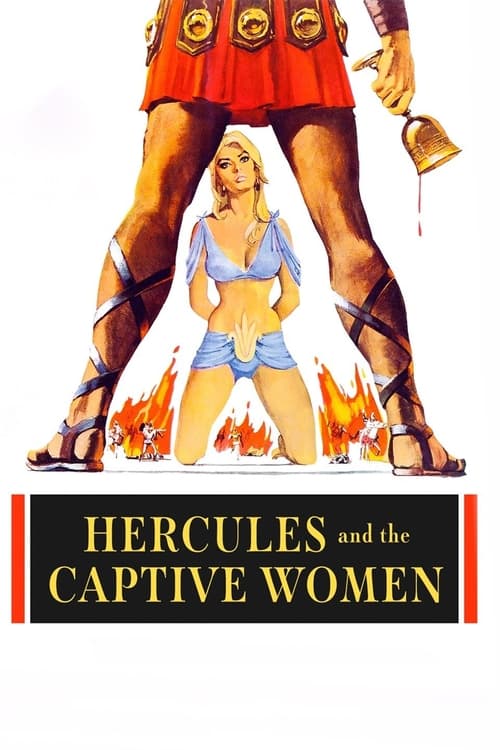
Hercules and the Captive Women
1961
No user ratings available yet
Representation score: 0.4 out of 10

Representation Score
Minimal
1963
ApprovedDirector
Pietro Francisci
Runtime
90 minutes
Average Rating
No ratings yetNew Showbiz Analysis
Hercules, Samson & Ulysses serves as a quintessential example of the Peplum genre, prioritizing traditional mythological structures over social complexity. The narrative is built around the hero's journey, where virtue is measured by physical prowess and divine mandate. Because the film operates within a closed system of classical clichés, it reinforces established social hierarchies. The world is presented as a static, divinely ordained reality that offers little room for perspectives that reflect multiple aspects of identity or the subversion of norms. Ultimately, the film functions as a cultural artifact of its era. It focuses on masculine strength and heroic archetypes, leaving the complexities of identity and systemic power dynamics unaddressed.
Category Breakdown
The film follows a strictly straight-centered framework, focusing on traditional gender roles and straight relationships. There is no representation of non-assuming gender matches what was assigned at birth gender identities or same-sex intimacy.
Male protagonists play a central role in driving the story, while female characters primarily serve as passive figures or romantic interests without narrative autonomy.
The casting is largely homogeneous, reflecting 1960s Italian adventure cinema standards. It lacks intentional racial blending or color-blind casting.
The story utilizes divine intervention and mythological destiny as central organizing principles. It adheres to classical heroic morality rather than secularist themes.
Characters are defined by physical perfection and superhuman capabilities. There is no representation of neurodivergence or physical disability.
Present on Screen
Limited or Absent
Official Synopsis
Two strongmen set out to hunt down a murderous sea monster. Their ship is wrecked and they end up in the Holy Land where Hercules is assumed to be Samson who is a wanted man. The two team up to survive.
1961
1994
1964

1970
1964
1994
1958
1958
No reviews yet. Be the first to share your thoughts on this movie!
Use the rating form above to leave a star rating and optional review.