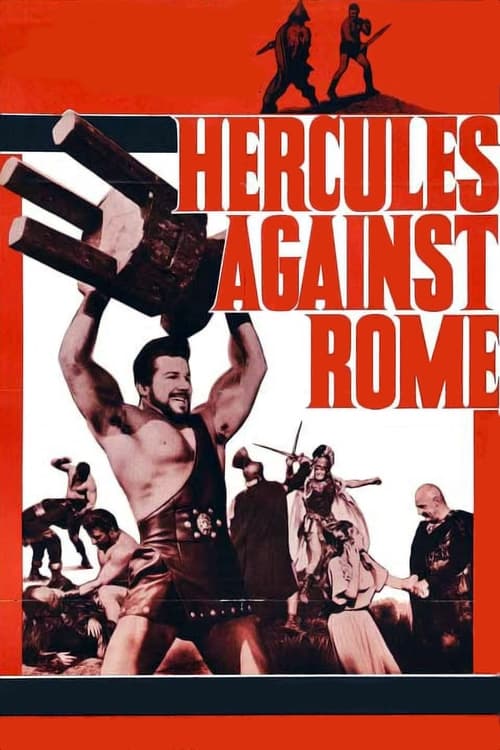
Hercules Against Rome
1964
No user ratings available yet
Representation score: 1.0 out of 10
Representation Score
Limited
1958
GDirector
Pietro Francisci
Runtime
99 minutes
Average Rating
No ratings yetNew Showbiz Analysis
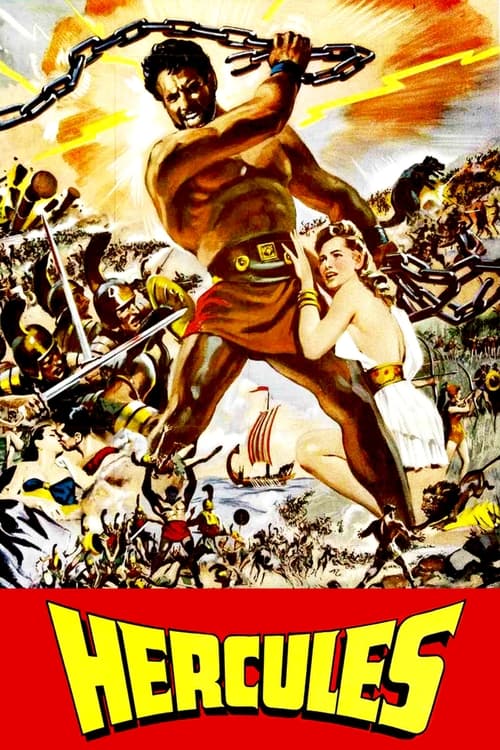
Hercules (1958) celebrates classical heroism and physical strength, adhering to traditional mythological structures that emphasize individual strength and social hierarchies. The film upholds mid-century cinematic norms by using masculine strength and divine authority as key elements. It prioritizes maintaining traditional gender and power structures over diverse representations. Ultimately, the production remains true to the conventions of the Italian 'sword-and-sandal' genre, avoiding any deconstruction of ancient social orders.
Category Breakdown
The film does not include any queer identities or subtext. The romantic storyline centers solely on the heterosexual relationship between Hercules and Iole.
Male characters like Hercules and Jason dominate the narrative, while female characters such as Iole mainly serve to motivate the male protagonists.
The cast is predominantly white and Eurocentric, reflecting the 1958 production standards for depicting Greco-Roman figures.
The film is steeped in Greco-Roman religious imagery, reinforcing the legitimacy of divine and monarchical structures without offering any secular critique.
There is no nuanced depiction of disability. Characters are portrayed as physically perfect and superhuman, contrasting with the typical human condition.
Present on Screen
Limited or Absent
Official Synopsis
In this melange of characters and events from separate mythological stories, Hercules, demigod and superman, arrives in the ancient Greek kingdom of Iolcus to tutor Iphitus, son of king Pelias; immediately on arrival, he falls in love with the king's delectable, briefly clad daughter Iole. Before he can win her, he must succeed in a series of quests, in the course of which he teams up with Jason, true heir of Iolcus, whom he accompanies on the famous voyage of the Argonauts.
1964
1963
1959

1994

1963
1924

1961
1994
No reviews yet. Be the first to share your thoughts on this movie!
Use the rating form above to leave a star rating and optional review.