
Zeynep’s Eight Days
2007
No user ratings available yet
Representation score: 4.4 out of 10
Representation Score
Excellent
2007
Director
Barış Pirhasan
Runtime
99 minutes
Average Rating
No ratings yetNew Showbiz Analysis
Barış Pirhasan’s drama stands out by challenging traditional authority figures. Through the character of Imam Hasan, whose personal life is marked by secrets and severity, the film shifts from religious stereotypes to psychological realism. The film further strengthens its impact through Adem’s singular focus on trains, which provides a unique perspective and drives the narrative. This portrayal respects neurodivergent traits. While the film successfully critiques cultural and patriarchal norms, it falls short in providing broader multi-layered diversity and explicit LGBTQ+ representation.
Category Breakdown
Imam Hasan's unconventional behavior disrupts typical family dynamics, suggesting a departure from traditional heterosexual norms. However, the film does not explicitly include non-binary or LGBTQ+ identities.
Hasan's severe and unforgiving demeanor challenges the idealized image of a religious leader. By focusing on a secret within the household, the film presents a more complex and fractured version of masculinity.
The film is set in a specific Turkish region, avoiding a homogeneous representation but lacking broader multi-layered diversity.
By contrasting sacred teachings with the secular world of trains, the film questions the perceived infallibility of religious institutions, creating a nuanced moral landscape.
Adem’s intense focus on trains hints at neurodivergent traits. Instead of viewing this as a limitation, the film leverages his unique perspective to offer a fresh interpretation of the world.
Present on Screen
Limited or Absent
Official Synopsis
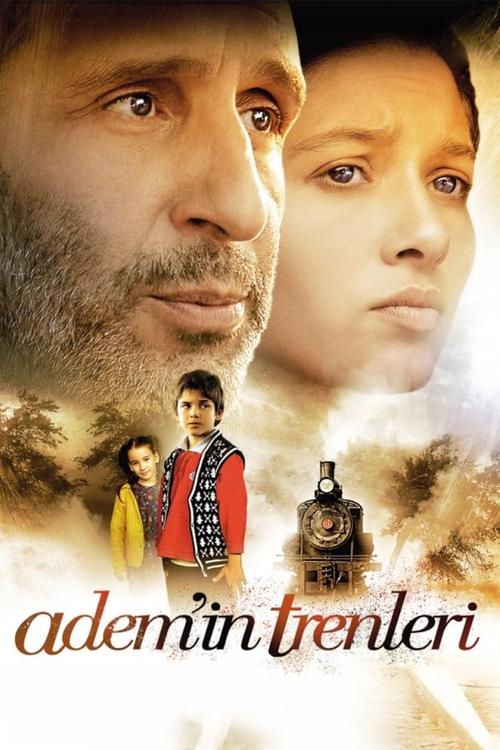
Imam Hasan, his wife Hacer and his daughter Fatma arrive at Karaağaçlı, a small railway town in the middle of the Anatolian wilderness. Besides carrying out the duties of the imam, Hasan will be teaching religion to the children of the town during the holy month of Ramadan. His unusual behavior towards his wife and little daughter arrests the attention of the townsfolk. Meanwhile Adem, the son of the stationmaster who is crazy for trains begins to learn about and get into a world he has never heard of before in the lessons given by Hasan: trains, sin, good deeds, heaven and hell.. everything gets jumbled. Condemned of being harsh and merciless towards his family, Hasan one day finds himself obliged to reveal the "secret" about himself and his family and this changes everything in the eyes of people. Yet there has remained another secret of which anyone, even Hasan is hardly aware. The people of the town, including Adem, will remember this Ramadan throughout their lives.
2007
2019

2010

1997
1993

2014

2014

2003
No reviews yet. Be the first to share your thoughts on this movie!
Use the rating form above to leave a star rating and optional review.