
Greetings from Fukushima
2016
No user ratings available yet
Representation score: 8.5 out of 10
Representation Score
Excellent
2019
TV-MADirector
Sebastián Barriuso, Rodrigo Barriuso
Runtime
107 minutes
Average Rating
No ratings yetNew Showbiz Analysis
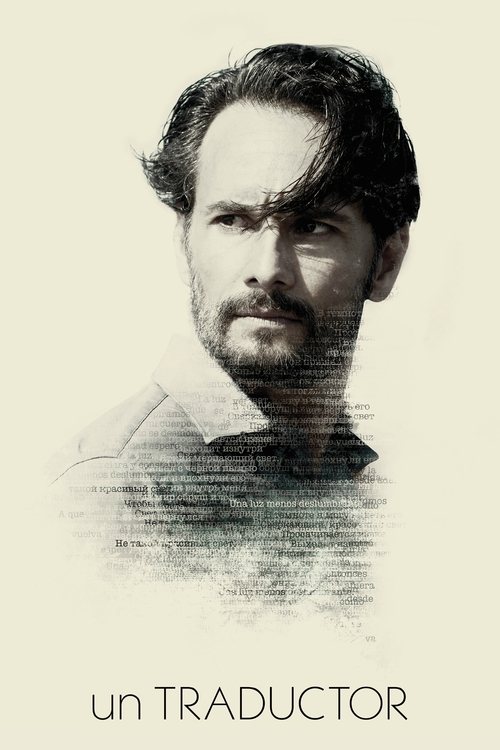
A Translator explores the human impact of systemic failure through a unique intersection of Slavic and Caribbean cultures. By focusing on the Chernobyl disaster's aftermath, the film moves beyond simple drama into a critique of institutional stability and global interconnectedness. The film excels in its cultural and ethnic breadth, using the humanitarian crisis to bridge disparate worlds. It avoids a purely Western perspective by grounding the narrative in the specific medical and social context of Havana. While the film provides strong representation for disability and internationalism, it lacks visible engagement with LGBTQ+ identities or explicit gendered subversions. The focus remains primarily on the intersection of language, medicine, and political catastrophe.
Category Breakdown
The film does not include any explicit mentions of LGBTQ+ characters or stories. Its focus is on the interactions between Russian and Cuban contexts.
The story revolves around a Russian Literature professor, providing opportunities for intellectual involvement. However, the film does not delve deeply into gendered power dynamics.
The narrative connects Slavic and Caribbean identities by placing a Russian academic in Havana. This disrupts Western-centric storytelling through a unique blend of ethnic backgrounds.
The film highlights the failures of systemic institutions, particularly in relation to the Chernobyl disaster. It uses the Cuban setting to challenge Western-centric views on international relations.
Chronic illness and radiation-related disabilities are central to the plot. The narrative emphasizes the resilience of children dealing with these conditions in a medicalized environment.
Present on Screen
Limited or Absent
Official Synopsis
A Russian Literature professor at the University of Havana is ordered to work as a translator for child victims of the Chernobyl nuclear disaster when they are sent to Cuba for medical treatment. Based on a true story.
2016
1985

2008

2020

2012
2018

2019
2017
No reviews yet. Be the first to share your thoughts on this movie!
Use the rating form above to leave a star rating and optional review.