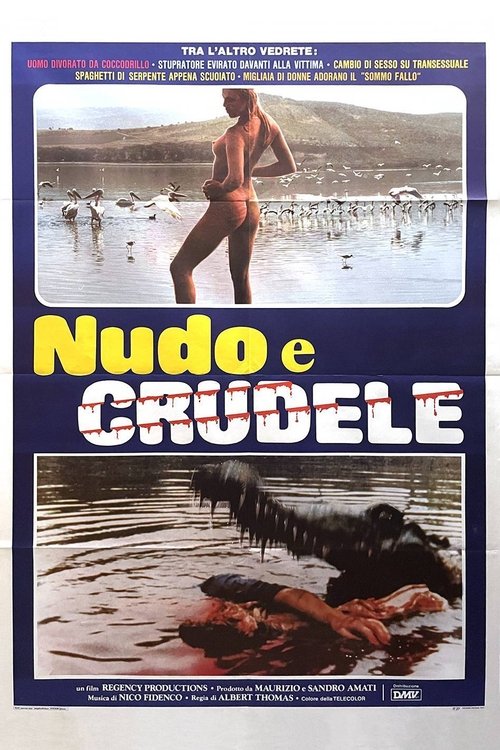
Naked and Cruel
1984
No user ratings available yet
Representation score: 6.1 out of 10
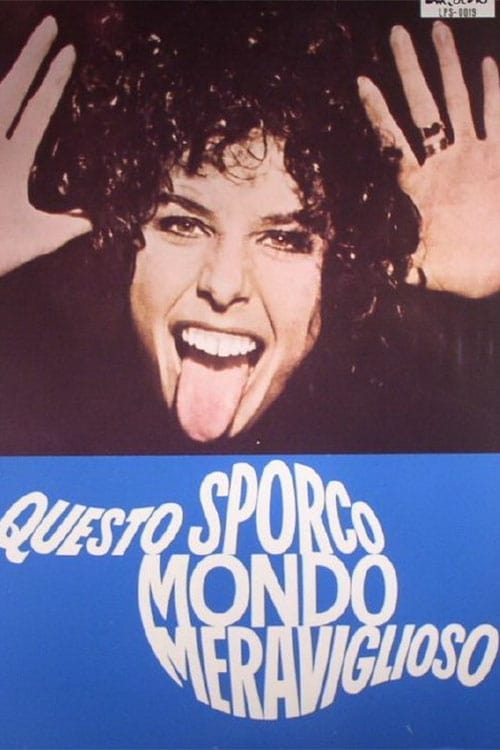
Representation Score
Excellent
1971
Director
Mino Loy, Luigi Scattini
Runtime
97 minutes
Average Rating
No ratings yetNew Showbiz Analysis
This documentary departs from the exploitative 'Mondo' tradition by prioritizing sociological inquiry over mere spectacle. It focuses on systemic transformations, such as industrial pollution and medical ethics. By centering non-Western subjects and underrepresented groups, it offers a more nuanced view of the human experience. While it touches on non-traditional sexualities and gender roles, the representation remains somewhat indirect. However, its commitment to documenting social welfare and scientific progress provides a strong foundation for its diverse themes.
Category Breakdown
The film explores human sexuality through sex education and esoteric psychotherapy. Though it doesn't show specific same-sex relationships, the focus suggests an interest in non-traditional sexualities and bodily autonomy.
A female priest celebrating Mass directly challenges patriarchal religious structures. The film also centers ability to act through vignettes on specialized medical care and sex education.
The documentary avoids Western-centric clichés by documenting Palestinian military training and Japanese environmental struggles. It highlights the intersection of geopolitics and social issues by focusing on non-Western subjects.
The narrative prioritizes scientific progress and social equity over religious dogma. It contrasts traditional religious ceremonies with advancements like assisted fertilization and heart surgery, critiquing established institutions.
The film documents sex education for blind children and schooling for children with phocomelia. It avoids pity, instead highlighting the intersection of disability with education and social integration.
Present on Screen
Limited or Absent
Official Synopsis
Taking a detour from the usual settings of Africa and South America, this mondo film focuses on Japan and Sweden, exploring strange and unusual scenes like the effects of pollution in a Japanese fishing village, esoteric psychotherapy methods, assisted fertilization, heatt surgery, sex education for blind children in sweden, military training for young Palestinians in Lebanon, a female priest celebrating mass and a school for children with phocomelia.
1984
1965
1963
2010
1964
1964
1977

1965
No reviews yet. Be the first to share your thoughts on this movie!
Use the rating form above to leave a star rating and optional review.