
Mondo Freudo
1966
No user ratings available yet
Representation score: 5.4 out of 10
Representation Score
Good
1984
Director
Bitto Albertini
Runtime
96 minutes
Average Rating
No ratings yetNew Showbiz Analysis
Bitto Albertini’s documentary serves as a deconstruction of the civilized Western gaze. Its primary strength is the refusal to impose a Western moral hierarchy on the diverse cultures it observes. By presenting a global tapestry of the sacred and the profane, the film challenges the idea of a universal moral standard. However, the film's focus on the visceral and the transgressive often comes at the expense of nuanced character development. While it succeeds in decentralizing Western perspectives, the emphasis on sexual acts and anatomy can lead to the objectification of the subjects being documented.
Category Breakdown
The film explores sexual taboos and intimacy that challenge traditional heterosexual norms. However, it focuses more on sexual acts and anatomy than on specific LGBTQ+ identities or character-driven stories.
The documentary deconstructs traditional gender roles by emphasizing bodily autonomy and sexual rituals. While it challenges social hierarchies, the portrayal of women often leans toward objectification rather than giving them a significant role in driving the story.
The film offers significant racial breadth by moving beyond Anglo-Saxon centricity. By centering narratives in India, Japan, Thailand, and Africa, it presents a non-Western majority view of the world.
The work excels at disrupting Western institutional morality through moral relativism. It presents global practices without a singular Western or Christian lens, prioritizing naturalism over structured social order.
There is no significant evidence regarding the portrayal of physical or neurodivergent disabilities within the film's content.
Present on Screen
Limited or Absent
Official Synopsis
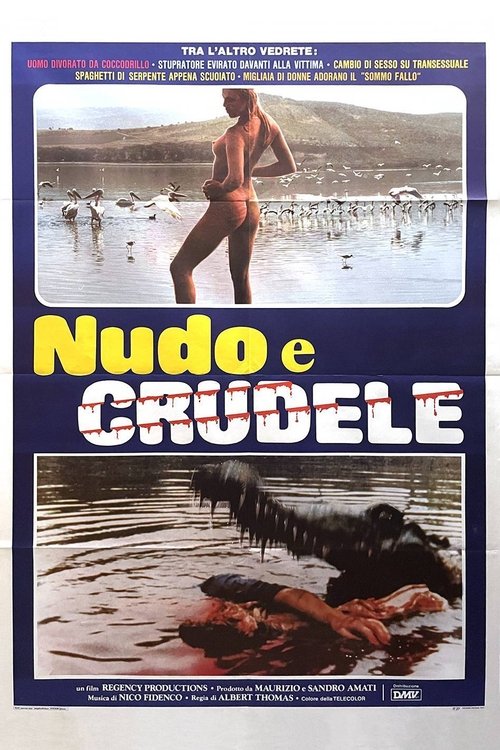
Documentary about strange or grotesque things around the world: the sacred city of Benares, India, where old men go to die and be cremated; an american tourist in Hong-Kong, who buys a "baby-prostitute"; many animals having sex; the celebration in honor of a totem with the shape of a penis, in Japan; topless and prostitution places; an african tribe in which the men have gigantic male organs; a massage parlour in Thailand; snakes being eaten almost alive; hunting and safaris in Africa; a ranger being eaten by an alligator, in Florida; a missionary priest being eaten by indians; the betting clubs and strip-tease joints in Las Vegas; and much more.
1966
1963
1964
1964
1971
1963
1977

1991
No reviews yet. Be the first to share your thoughts on this movie!
Use the rating form above to leave a star rating and optional review.