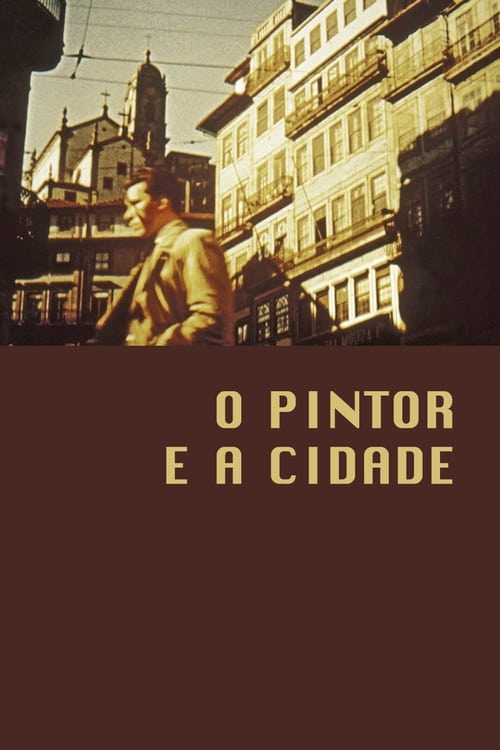
The Artist and the City
1956
No user ratings available yet
Representation score: 2.2 out of 10
Representation Score
Fair
1959
Director
Joaquim Pedro de Andrade
Runtime
11 minutes
Average Rating
No ratings yetNew Showbiz Analysis
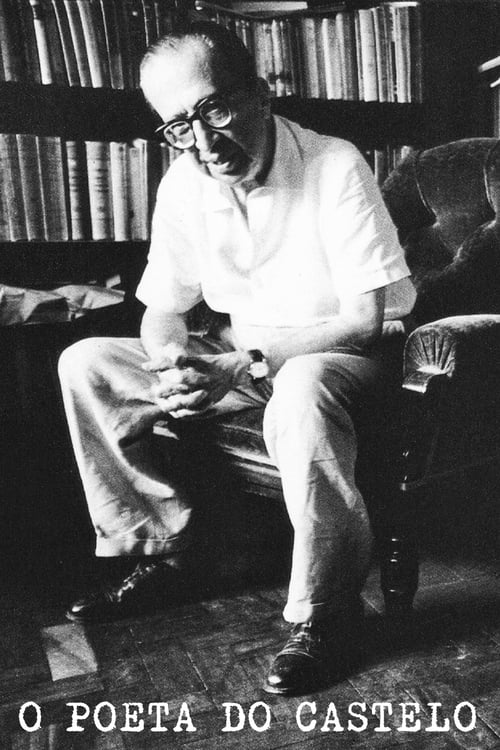
Joaquim Pedro de Andrade’s portrayal of Manuel Bandeira serves as a brief but significant cultural document. While the film is constrained by its ten-minute biographical focus, it participates in the broader Cinema Novo movement’s mission to question established social structures. The documentary successfully challenges the myth of 'modernity' by depicting the urban environment as a source of systemic alienation rather than progress. This disrupts traditional views of social organization. However, the work lacks rich characters who reflect more than one aspect of diversity. The narrow focus on a single male intellectual limits the scope for diverse gendered or disability-focused narratives.
Category Breakdown
The film focuses on Manuel Bandeira, a literary figure known for exploring complex themes of identity. However, the short runtime does not provide clear visual examples of non-traditional gender identities.
This biographical documentary emphasizes a single male perspective. There is no indication of female empowerment or the overturning of gender hierarchies in this portrait.
The film shifts away from Anglo-centric viewpoints by highlighting Brazilian identity. It aligns with the Cinema Novo movement's emphasis on the urban experience shaped by historical colonization.
The film questions modern progress by portraying the urban landscape as ominous and alienating. This challenges traditional celebrations of industrial growth and Western-aligned stories.
There is no information about the portrayal of physical or neurodivergent disabilities in this work.
Present on Screen
Limited or Absent
Official Synopsis
A 10-minute portrait of modernist poet and de Andrade’s godfather, Manuel Bandeira, is clear in its affection for it subject, though like many New-Waveish films of the time, depicts the modern urban landscape as an ominous and alienating force.
1956
1929
1959

1968
1960
1967
1968
1977
No reviews yet. Be the first to share your thoughts on this movie!
Use the rating form above to leave a star rating and optional review.