
As I Was Moving Ahead Occasionally I Saw Brief Glimpses of Beauty
2000
No user ratings available yet
Representation score: 5.2 out of 10
Representation Score
Fair
2010
Director
Jonas Mekas
Runtime
14 minutes
Average Rating
No ratings yetNew Showbiz Analysis
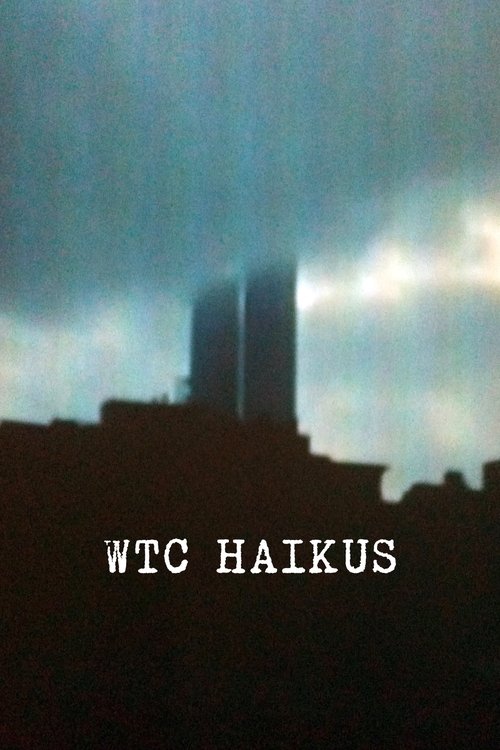
WTC Haikus is a meditative, lyrical documentary that prioritizes personal memory over traditional narrative. It functions as a temporal diary, using archival fragments to document the presence and absence of the World Trade Center. The film's strength lies in its rejection of standard documentary authority. By using a poetic lens, it moves away from monumentalism toward a subjective, non-linear perspective on urban evolution. However, the work lacks explicit engagement with identity politics. Since the focus remains on architectural and environmental presence, representation of specific social identities is incidental rather than intentional.
Category Breakdown
The film operates as a personal diary focusing on urban landscapes. It doesn't include explicit LGBTQ narratives or character arcs, maintaining a neutral stance on inclusion.
The documentary avoids traditional gender power dynamics and roles. Its non-hierarchical structure emphasizes the passage of time and the changing skyline over interpersonal gender conflicts.
Street scenes and waterfront views likely capture New York City's multiculturalism. However, racial representation remains incidental rather than a central theme of the poetic memorial.
The work breaks from traditional documentary formats by prioritizing subjective, poetic truth. It uses impressionistic glimpses to offer a fluid, personal interpretation of history and space.
There is no clear focus on physical or neurodivergent identities. The film's montage of urban imagery does not address disability as a narrative element.
Present on Screen
Limited or Absent
Official Synopsis
A lyrical diary film composed of fleeting images of the World Trade Center, filmed over decades as the towers appeared in Jonas Mekas’s everyday life—from street scenes and rooftop gatherings to family outings by the waterfront. Together, these fragments form a poetic memorial of presence and absence.
2000

1983
2012
1978
1981

1929
2011
2013
No reviews yet. Be the first to share your thoughts on this movie!
Use the rating form above to leave a star rating and optional review.