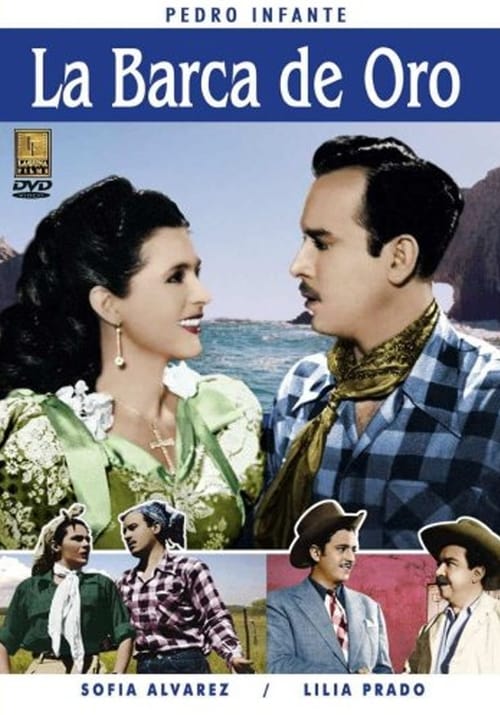
La barca de oro
1947
No user ratings available yet
Representation score: 1.4 out of 10

Representation Score
Limited
1954
PGDirector
Rogelio A. González
Runtime
104 minutes
Average Rating
No ratings yetNew Showbiz Analysis
El mil amores is a quintessential product of the Golden Age of Mexican cinema, prioritizing genre clichés over social disruption. It reflects mid-century norms rather than challenging them. The film's strength lies in its ethnic authenticity and the nuanced portrayal of urban identity. However, the narrative remains tied to rigid gender hierarchies and straight-centered structures. While the protagonist's behavior deviates from strict moralism, these actions serve comedic purposes rather than acting as tools for systemic social rebellion.
Category Breakdown
The film does not include any LGBTQ+ characters or explore non-straight relationships. The romance revolves around traditional courtship and heterosexual complications.
Gender roles adhere to mid-20th century norms, centered around a male 'Don Juan' archetype. Female characters play crucial roles in driving the plot tension but often serve as objects of pursuit or deception.
The film features a predominantly Mexican cast with high ethnic authenticity. Tin Tan’s 'Pachuco' persona adds depth by representing a hybridized Mexican-American urban identity.
The story operates within the mainstream social and moral frameworks of 1950s Mexico. Deception is treated as slapstick comedy rather than a critique of traditional institutions.
There are no prominent depictions of visible or invisible disabilities within the narrative.
Present on Screen
Limited or Absent
Official Synopsis
Carmen has a daughter, Patricia, who attends a school for young ladies where they think Carmen is married to a sailor. Viviano is a friend of Carmen and when she needs it, he poses as the father of Patricia and she believes is her father. Actually, Viviano is engaged with Marilu
1947
1948

1949

1963
1965

1958

1950
1966
No reviews yet. Be the first to share your thoughts on this movie!
Use the rating form above to leave a star rating and optional review.