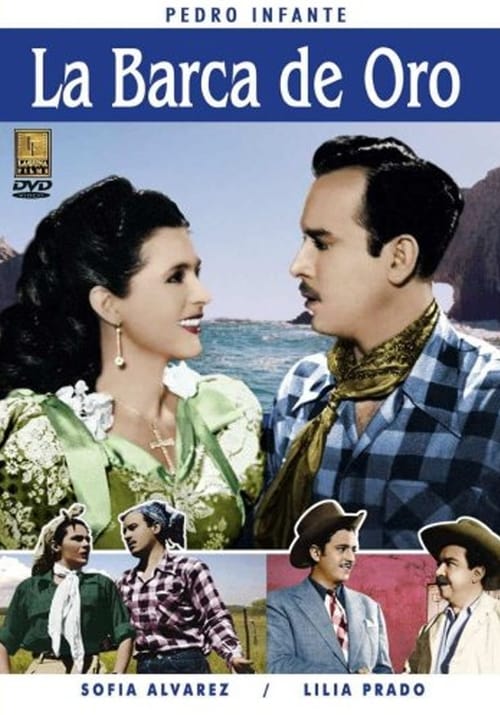
La barca de oro
1947
No user ratings available yet
Representation score: 1.4 out of 10
Representation Score
Fair
1926
Director
Alexandre Tsutsunava
Runtime
85 minutes
Average Rating
No ratings yetNew Showbiz Analysis
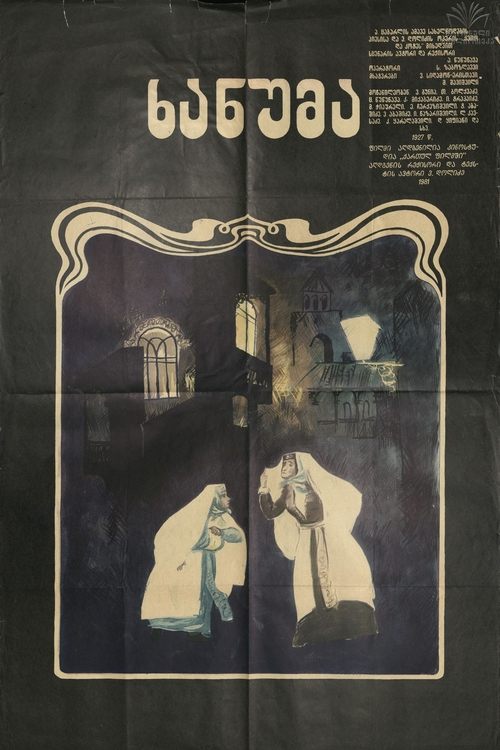
Khanuma is a product of a transformative period in Georgian cinema, highlighting the tensions between traditional social hierarchies and emerging modern identities. While constrained by the era's social norms, the film goes beyond simple melodrama by introducing conflicts around class and gender. The narrative primarily serves as a critique of transactionalism. By focusing on the prince's financial troubles and the merchant's social ambitions, the film examines how material interests can overshadow romantic or moral ideals within traditional family structures. Ultimately, the film's strength lies in its subtle challenge to patriarchal expectations through its female protagonist. While it remains culturally uniform, it provides a valuable non-Western perspective on the interplay of wealth and status.
Category Breakdown
The film doesn't include non-straight relationships or intimate interactions between people of the same sex. The story focuses on a traditional marriage arranged due to class interests.
Elo breaks away from passive stereotypes by expressing dissatisfaction with her arranged marriage. Her actions challenge the commodification of women in high-society transactions.
The film highlights a specific Georgian regional identity rather than a diverse cast. It centers on non-Anglo-Saxon perspectives within the social context of 1926.
The story explores the tension between inherited aristocratic status and mercantile wealth. It questions traditional institutions by showing marriage as a financial deal.
There is no information about the portrayal of physical or neurodivergent disabilities in the available records.
Present on Screen
Limited or Absent
Official Synopsis
Prince bon-vivant Levan Phantiashvili finds himself in a difficult financial situation. To make his life better he agrees to marry the merchant Adam Varakhidze’s daughter, Elo. The merchant is happy for this move opens the door in a high society for him until he finds out that Elo is not quite happy with his decision.
1947
1970
1948
1936
1930
1931
1936
1940
No reviews yet. Be the first to share your thoughts on this movie!
Use the rating form above to leave a star rating and optional review.