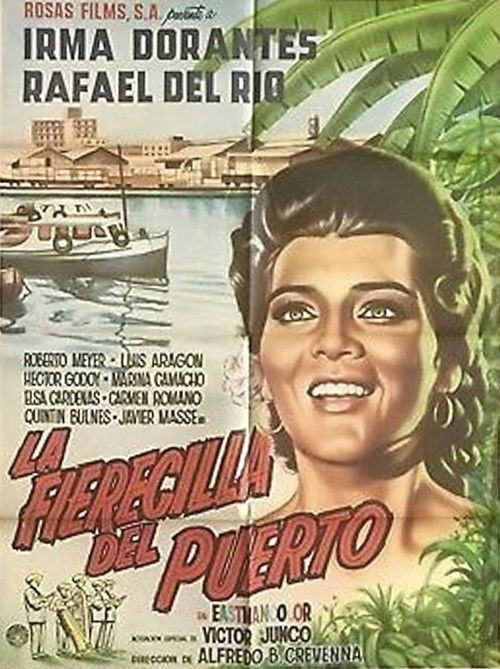
La fierecilla del puerto
1963
No user ratings available yet
Representation score: 2.2 out of 10
Representation Score
Minimal
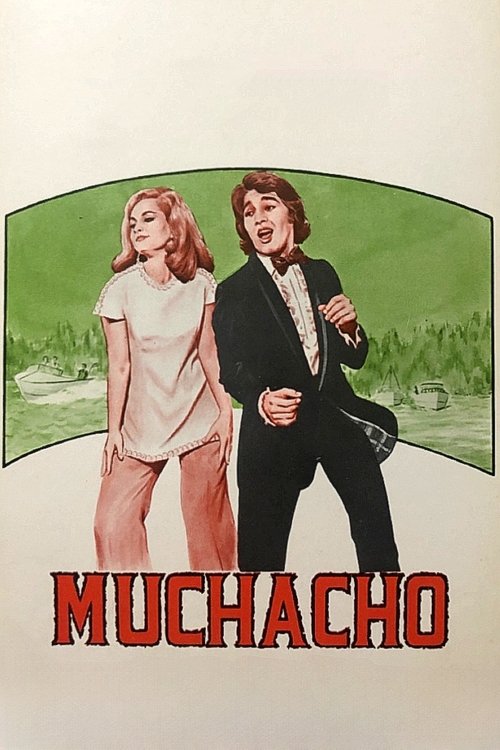
1970
TV-14Director
Leo Fleider
Runtime
100 minutes
Average Rating
No ratings yetNew Showbiz Analysis
Muchacho is a period-specific genre piece that prioritizes traditional romantic resolutions over complex social issues. The narrative structure relies on established class distinctions and conventional obstacles rather than deconstructing systemic power dynamics. The film reflects the social constraints of 1970, adhering to the storytelling conventions of the time. It focuses on the tension between personal desires and established social institutions, particularly within the context of high-society families.
Category Breakdown
The film does not include any LGBTQ+ narratives or non-traditional gender identities. The main romance follows a typical heterosexual storyline common in 1970s musicals.
The female lead takes initiative in pursuing her love interest, showing ability to act. However, the plot revolves around a traditional patriarchal conflict with a disapproving father figure, reinforcing gender hierarchies.
The cast includes actors from various ethnic backgrounds, indicating an international production. However, the film seems to adhere to standard casting practices without actively challenging racial dynamics.
The story upholds traditional Western social structures and family roles. It emphasizes a conventional moral framework centered on societal approval and institutional norms.
There is no indication of the portrayal of physical or neurodivergent disabilities in the film.
Present on Screen
Limited or Absent
Official Synopsis
A man falls in love with a woman from high society - but her father doesn't approve of their love.
1963
1947
1949
1966
1926
1979
1960

1954
No reviews yet. Be the first to share your thoughts on this movie!
Use the rating form above to leave a star rating and optional review.