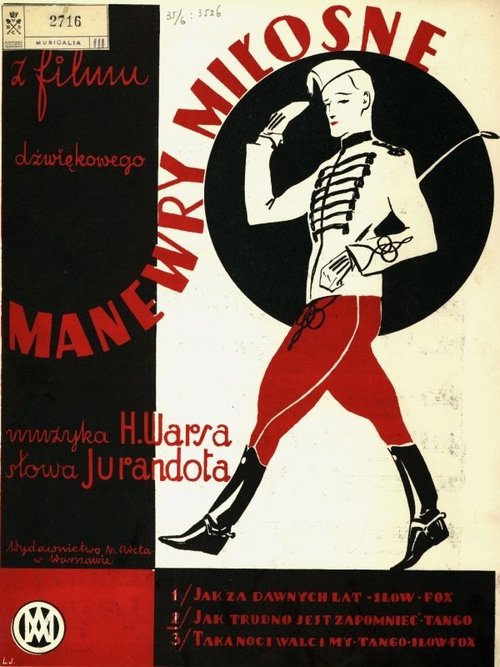
Love Manoeuvres
1935
No user ratings available yet
Representation score: 0.5 out of 10
Representation Score
Limited
1953
Director
Rogelio A. González
Runtime
106 minutes
Average Rating
No ratings yetNew Showbiz Analysis
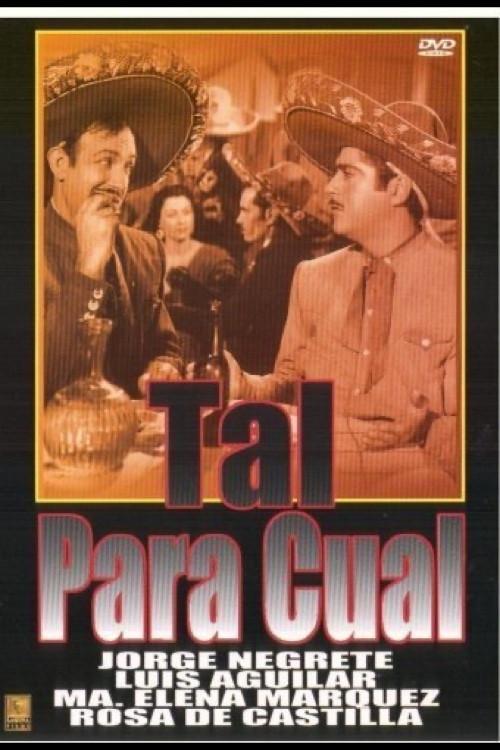
Tal para cual is a quintessential example of mid-century Mexican comedy that excels in its authentic centering of urban culture. The film captures the essence of the Golden Age of Mexican cinema through its mastery of the farce tradition. However, the work remains tethered to the social hierarchies of its era. It lacks intentional subversion regarding gender, sexuality, or systemic power dynamics, maintaining the traditional structures common to 1950s commercial cinema. While it provides strong cultural representation for its time, its narrow focus on traditional romance and archetypes limits its progressive depth.
Category Breakdown
The film adheres to the straight-centered expectations of the 1950s. It follows conventional romantic structures and lacks any depiction of same-sex relationships or non-traditional gender identities.
Female leads drive the plot's momentum but often function as catalysts for male comedic mishaps. The narrative leans into established social dynamics rather than challenging traditional gender roles.
The film features a predominantly Mexican cast, centering a non-Anglo-Saxon perspective. It provides a robust representation of Mexican identity and urban social strata through its central characters.
The story prioritizes comedic chaos over ideological critique. It operates within the social and institutional norms of mid-century Mexico rather than challenging systemic authority.
There is no discernible representation of visible or invisible disabilities. Characters function within the standard physical and neurotypical parameters of the farce genre.
Present on Screen
Limited or Absent
Official Synopsis
Mistaken identity farce; two guys each pretend to be somebody else to cover for each other in delicate situations.
1935

1973

1935

1948
1945

1961
1950
1932
No reviews yet. Be the first to share your thoughts on this movie!
Use the rating form above to leave a star rating and optional review.