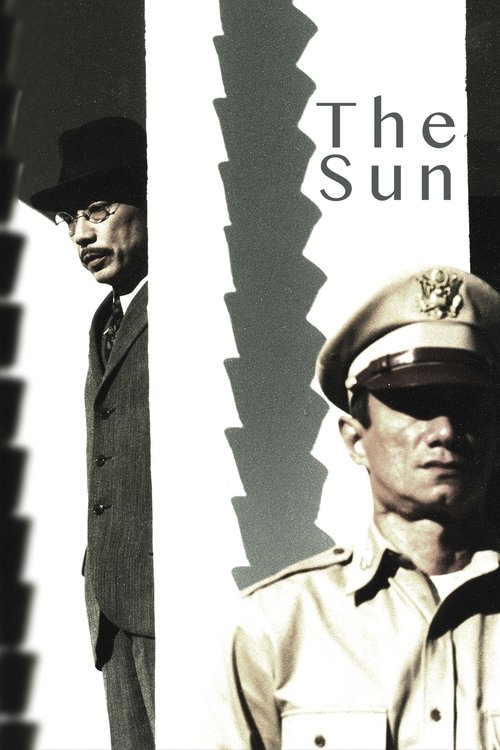
The Sun
2005
No user ratings available yet
Representation score: 5.4 out of 10
Representation Score
Limited
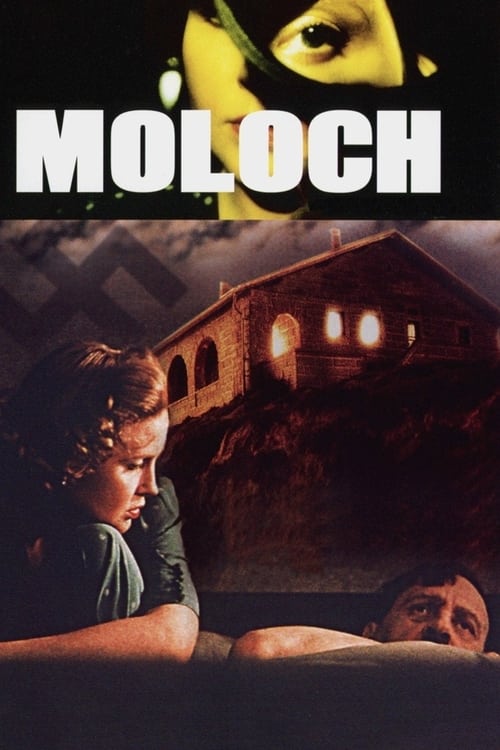
1999
Not RatedDirector
Aleksandr Sokurov
Runtime
108 minutes
Average Rating
No ratings yetNew Showbiz Analysis
Sokurov’s film is a stylized meditation on power that prioritizes aesthetic and psychological depth over demographic variety. By adhering strictly to the historical realities of 1942 Bavaria, the narrative reinforces the homogeneous social structures of the era. The film functions as a study of how established hierarchies and political machinery influence individual stability. While it deconstructs the domestic lives of historical figures, it does so through a lens that maintains traditional social and cultural norms. Ultimately, the work focuses on the crushing weight of authority. This results in a cinematic experience that is deeply rooted in the specific, limited demographics of its period rather than challenging them.
Category Breakdown
The film lacks explicit LGBTQ+ characters or non-cisgender identities. The narrative focuses on the established social and domestic structures of the mid-20th century without incorporating queer subtext.
Eva plays a central role, yet her influence is largely defined by her isolation and interactions with dominant male figures. The film maintains traditional hierarchies rather than challenging them.
The cast is ethnically homogeneous, reflecting the specific socio-political environment of 1940s Bavaria. This adherence to historical context results in a lack of racial blending.
The story explores the psychological toll of living under a pervasive political regime. It presents a fatalistic view of authority as an inescapable, atmospheric force.
Characters experience profound psychological distress and mental instability. These elements serve the film's existential themes rather than providing a nuanced portrayal of neurodivergence or disability.
Present on Screen
Limited or Absent
Official Synopsis
In 1942 Bavaria, Eva is alone, when Adolf arrives with Josef, his wife Magda, and Martin to spend a couple of days without politics.
2005

1969

1940
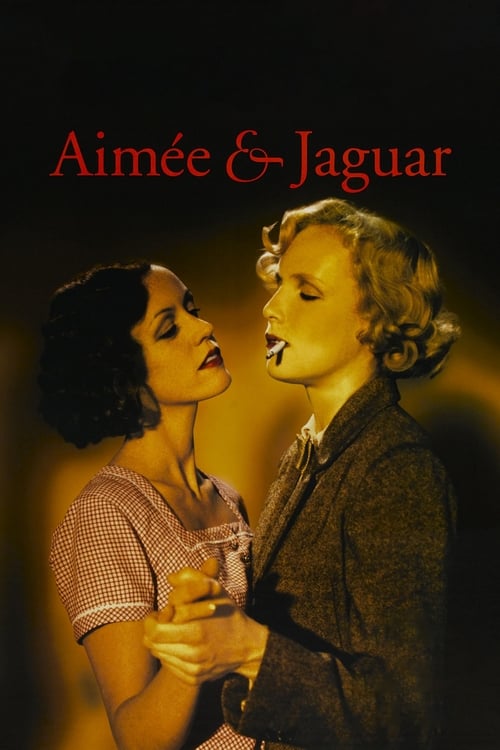
1999
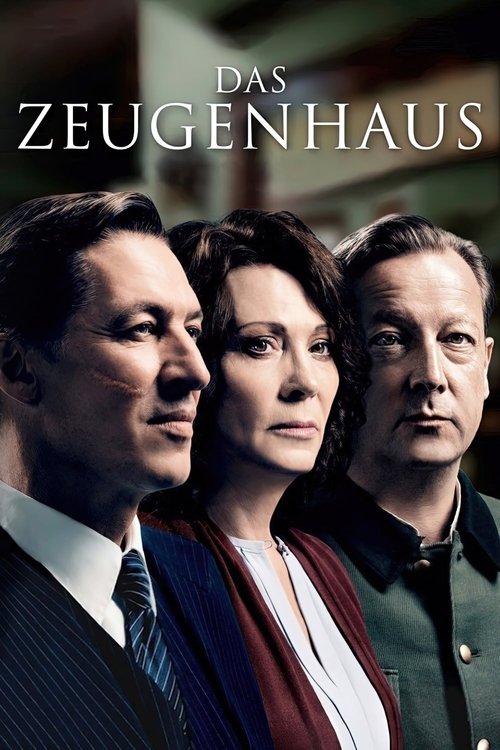
2014

2002
2023

2003
No reviews yet. Be the first to share your thoughts on this movie!
Use the rating form above to leave a star rating and optional review.